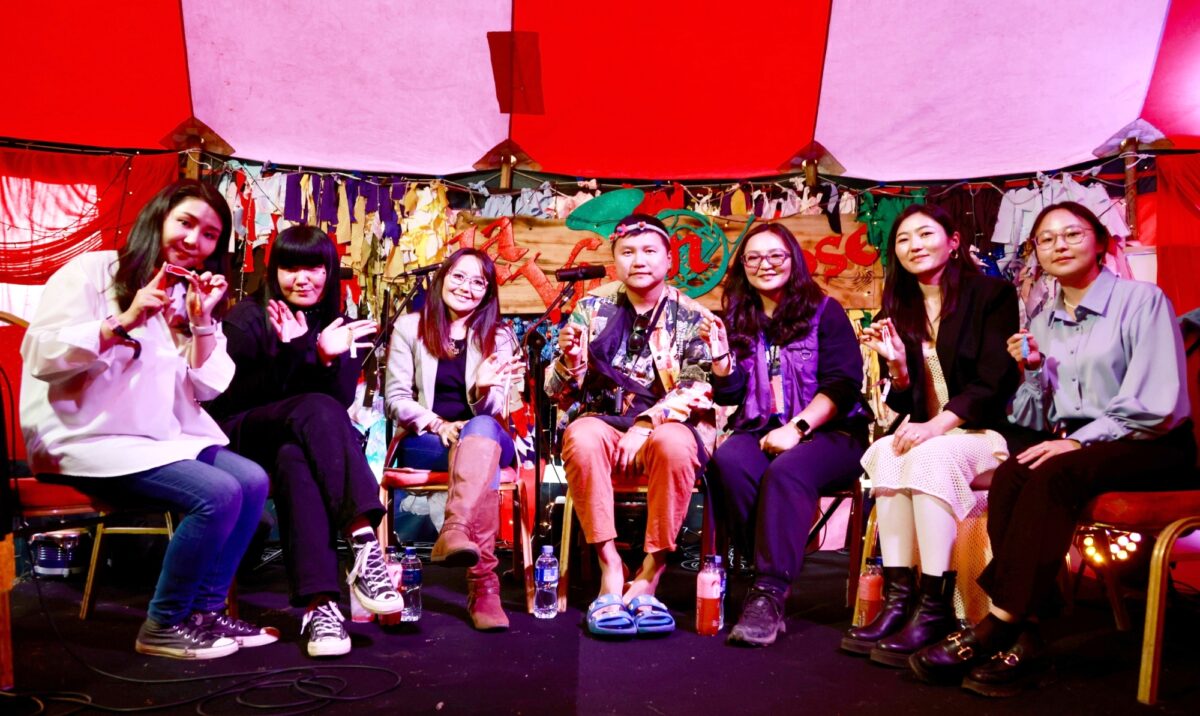
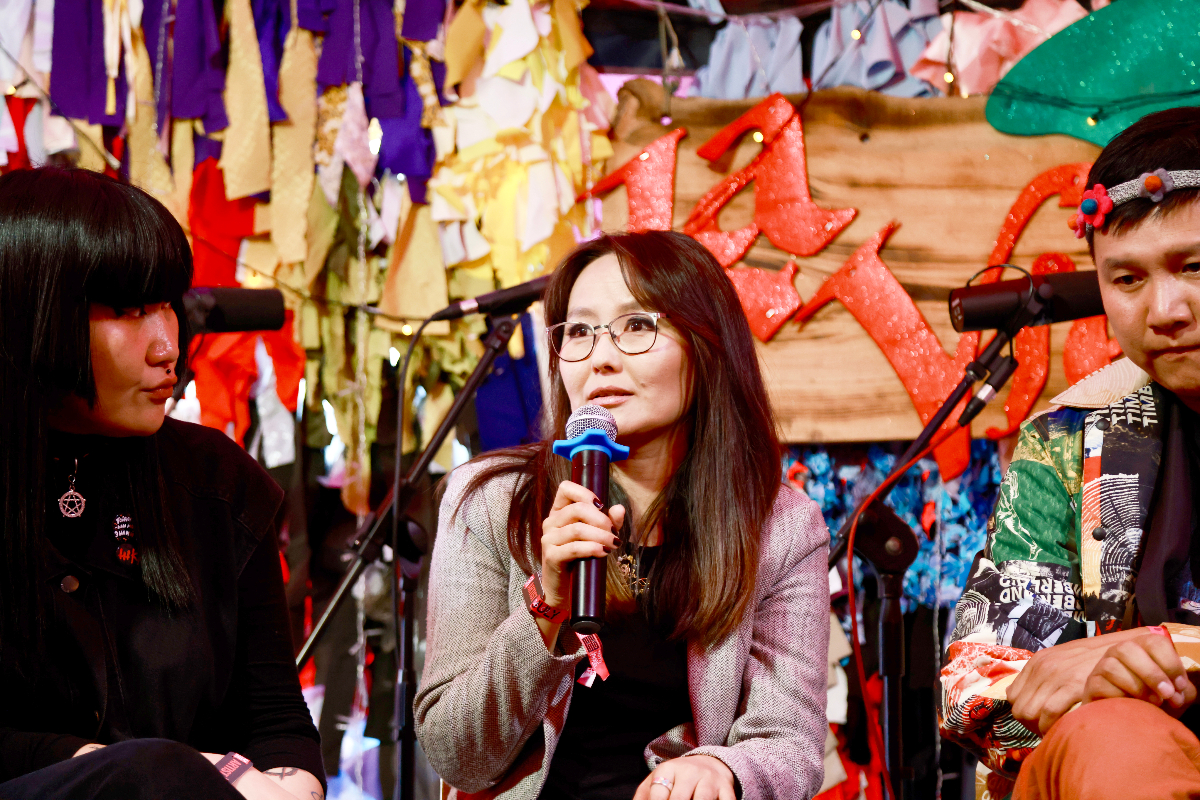
Moderator: E. Oyun-Erdene, Public Affairs and Communications Manager of MCS Coca-Cola Company

Panel Guests:
– Toirog foundation Founder Agnuush
– “Zero Waste Club” Founder D.Uuganzaya
– “Playtime” Music Festival’s volunteer work, green sustainability development director Sh.Banzragch
– “Спек материалс” Founder G.Erchissaran
– “Хуванцрын хаягдалгүй дэлхий” campiagn work influencer Ch.Ganjavkhlan
– “Монголын тогтвортой хөгжлийн гүүр” NGO’s President D.Ulziibileg
MODERATOR: HOW DO YOU PERSONALLY PARTICIPATE IN THE FESTIVAL IN A GREEN WAY?
Agnuush
My connection with the Playtime festival dates back to 2002. When I first performed on stage with my band, I was a teenage girl with no understanding of environmentally friendly living or what it meant to be “green.” Starting this year, however, I have been working with the Toirog Foundation and the Playtime team to collect greenhouse gas emissions data. In this sense, I am happy that my participation now is far more meaningful and impactful than it was 20 years ago.

Ch.Ganjavkhlan
In April, while trekking toward the Himalayas, I observed a shared philosophy among climbers from many countries: “Nature should remain exactly as it was before we arrived.” During the long journey reaching 5,000 meters in altitude, we left no trash behind. By minimizing consumption to the absolute essentials, each person’s total load was only 20 kg. Inspired by that experience, I am carrying a trash bag with me at the Playtime grounds to take back all the waste I generate. If everyone takes responsibility for their own waste and leaves no harm to nature, that would be the true realization of a green Playtime.

D.Uuganzaya
There are many small, simple actions that can contribute to making Playtime greener. For my part, I refused single-use cups and plates and brought my own. If plastic containers must be used, they should be sorted without contamination. Throwing unclean plastic into bins contaminates other recyclables, so I carry it with me, rinse it with water, and then place it into the recycling container.
MODERATOR: IN YOUR OPINION, HOW MUCH ATTENTION IS PLAYTIME PAYING TO SUSTAINABLE DEVELOPMENT?
Sh.Banzragch
Reaching today’s level of sustainability at the Playtime Music Festival is the result of 11 years of effort. We believe that our campaigns and initiatives are encouraging young people to adopt positive attitudes and behaviors. Last year, the festival directors traveled to Thailand’s Wonderfruit Festival to learn from their experience. Based on what they learned, this year they realized they could use recyclable materials for the tents and reduce waste themselves.
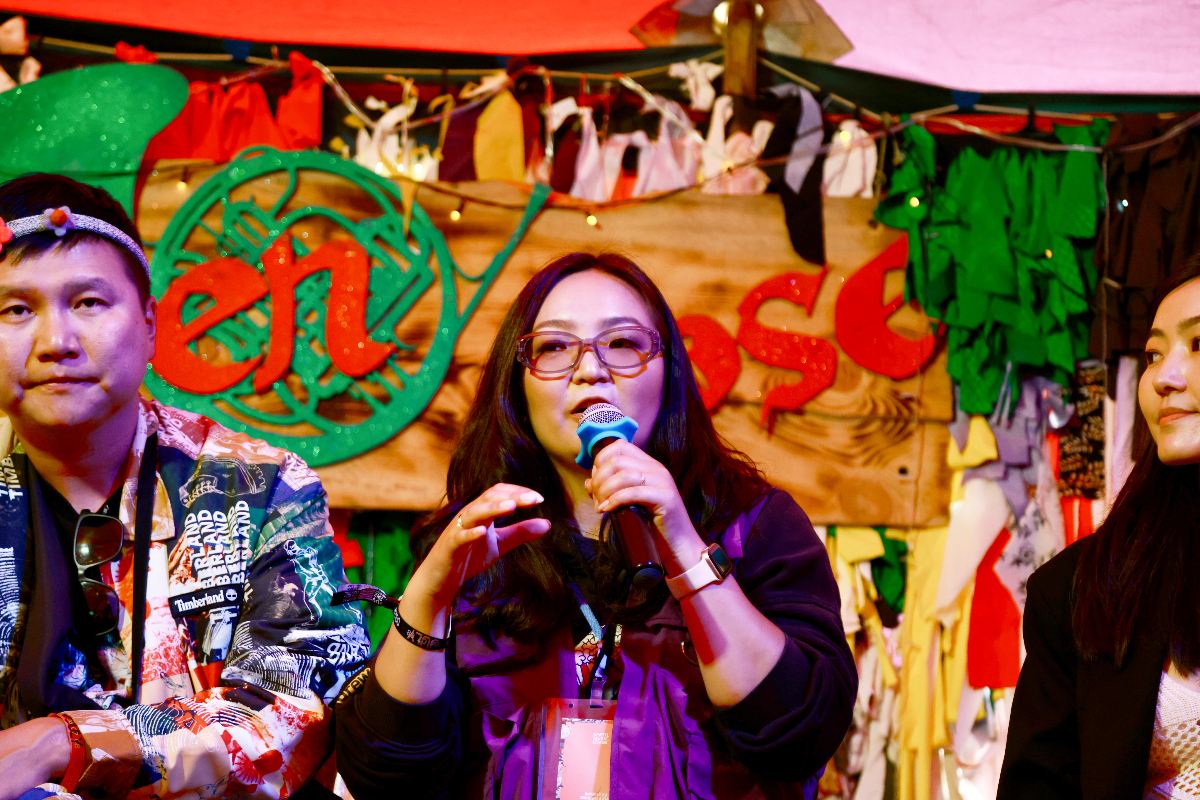
Ch.Ganjavkhlan
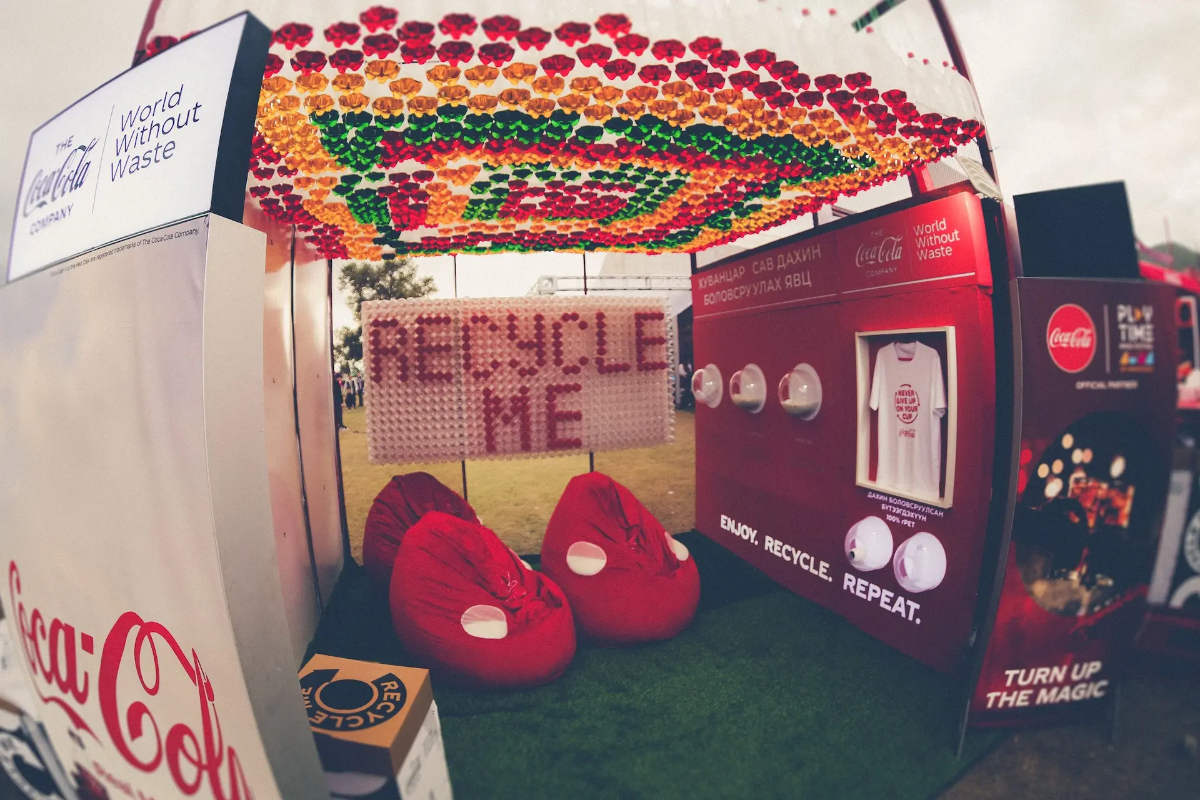
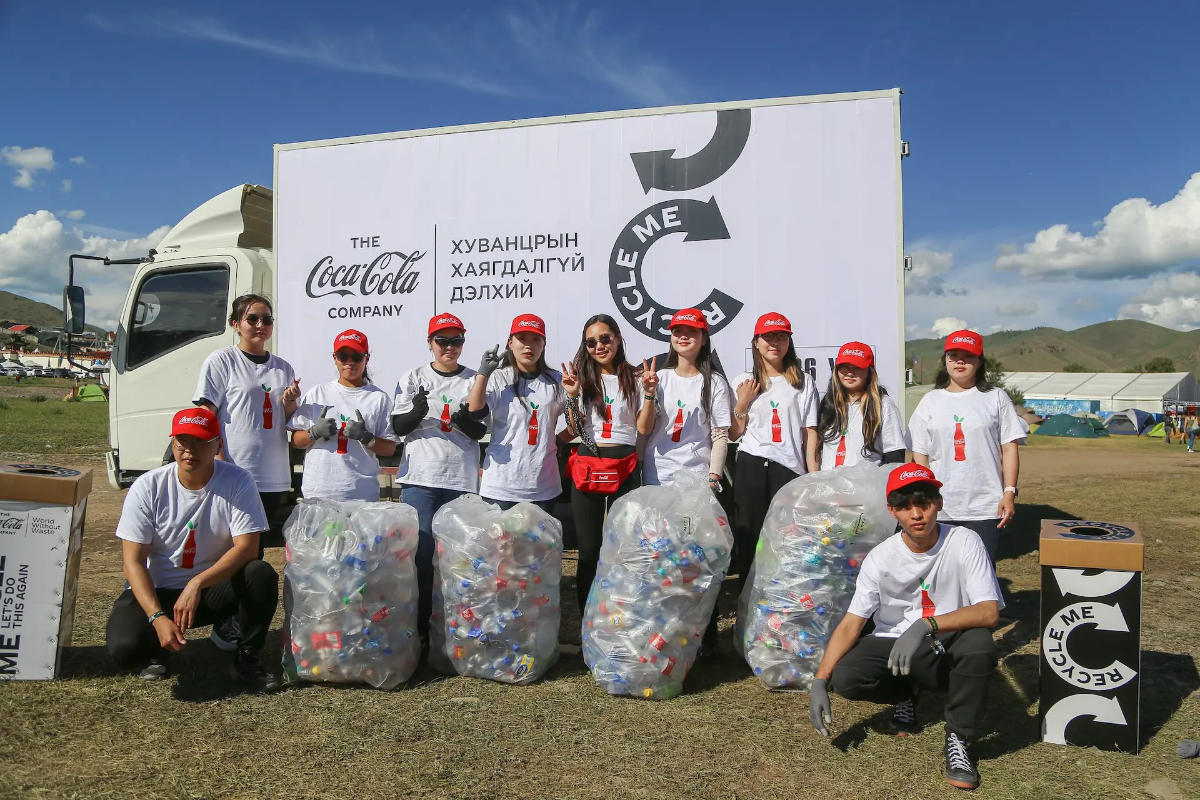
Compared to 10 years ago, today’s organization is very different. In recent years, tangible actions to protect the environment and support sustainability have been implemented — evident in the hundreds of sorting bins, recycled installations, and sanitation facilities. It is also important to acknowledge the volunteers who help users utilize these facilities.
D.Uuganzaya
We have noticed significant improvements in festival organization in recent years. This year, efforts to support sustainability and protect nature are visible in each tent’s activities and setup, which is commendable. At the same time, we believe it is our responsibility to support these initiatives through positive participation.
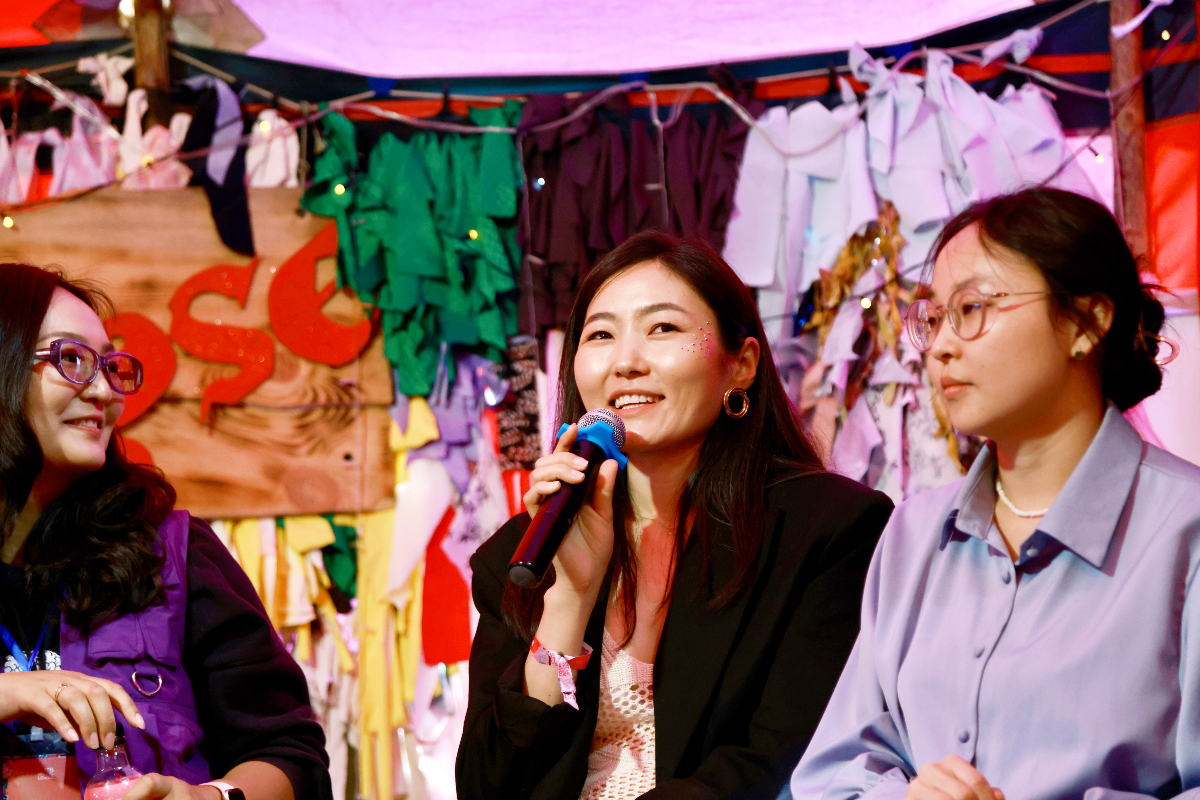
G.Erchissaran
As a chemist, I tend to rely on data when drawing conclusions. It is encouraging that starting this year, the Playtime festival is producing reports and statistics on its sustainability efforts. By quantifying greenhouse gas emissions, it becomes possible to reduce them further in the future. I am eagerly awaiting the final report and plan to compare it with next year’s results.
MODERATOR: HOW CAN PLAYTIME BECOME EVEN GREENER IN THE FUTURE?
Agnuush
The fashion industry accounts for 10% of global greenhouse gas emissions, 30% of ocean pollution, and ranks second in energy consumption worldwide. Therefore, festival participants are encouraged to buy second-hand clothing or repair what they already own to protect the environment at zero cost. This year, recycled cups from Spain were introduced in Mongolia, and I personally use them daily. Other young people should also bring their own cups, participate in the festival in an eco-friendly way without generating waste, and adopt this habit in everyday life.
D.Ulziibileg
One major step toward responsible consumption is distinguishing between real needs and desires. Around 40–80% of purchases are desire-driven and become unnecessary after only a few days. Yet producing these items consumes large amounts of water, energy, and transportation resources, contributing to environmental pollution. Therefore, before making a purchase, it is important to carefully consider whether there is a genuine need. It would also be beneficial to communicate the festival’s green goals and initiatives through social media so that attendees can prepare in advance.
G.Erchissaran
There is also a principle known as the 4Rs of environmentally friendly living: Refuse, Reduce, Reuse, Recycle. Research shows that 99% of purchased items become waste within two seconds to six months. Therefore, refuse unnecessary purchases. Since cities often lack sufficient sorting bins, people are not accustomed to separating waste daily. Although sorting waste at the festival requires effort, we should respect those working to keep the environment clean by doing so. The biggest contributors to festival carbon emissions are energy and transportation. From next year, increasing the use of renewable energy should be encouraged. To reduce transportation emissions, attendees should consider using buses instead of private vehicles. Expanding public transportation capacity will ensure no one is left behind.

Sh.Banzragch
Among the 17 Sustainable Development Goals, this year’s focus has been on waste sorting, while future plans include addressing water conservation and other goals. Participants are encouraged to bring their own cups, spoons, and forks — reducing single-use consumption and benefiting personal health.
D.Uuganzaya
Changing individual attitudes is not easy, but people often change by following others. If organizers create an eco-friendly atmosphere and participating organizations reflect environmental values in their presence, young people will naturally follow and adapt to that environment.