Categories
Company Онцлох мэдээ News

Road to 100%: Helping Build a Plastic Recycling Value Chain


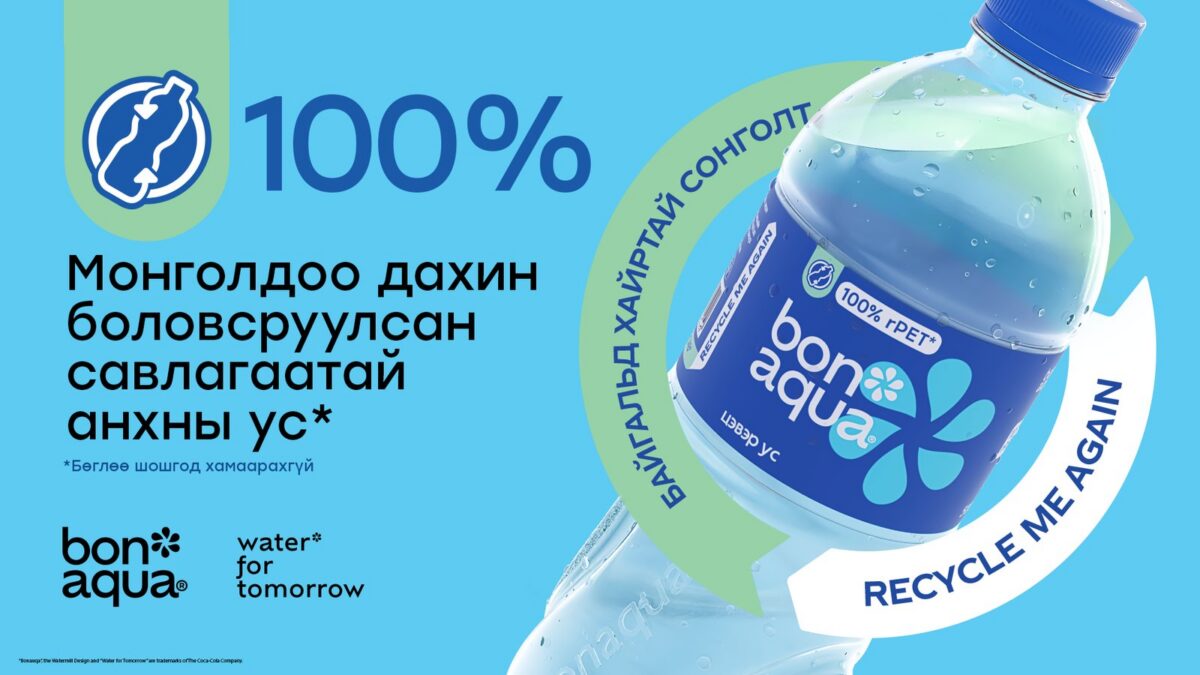
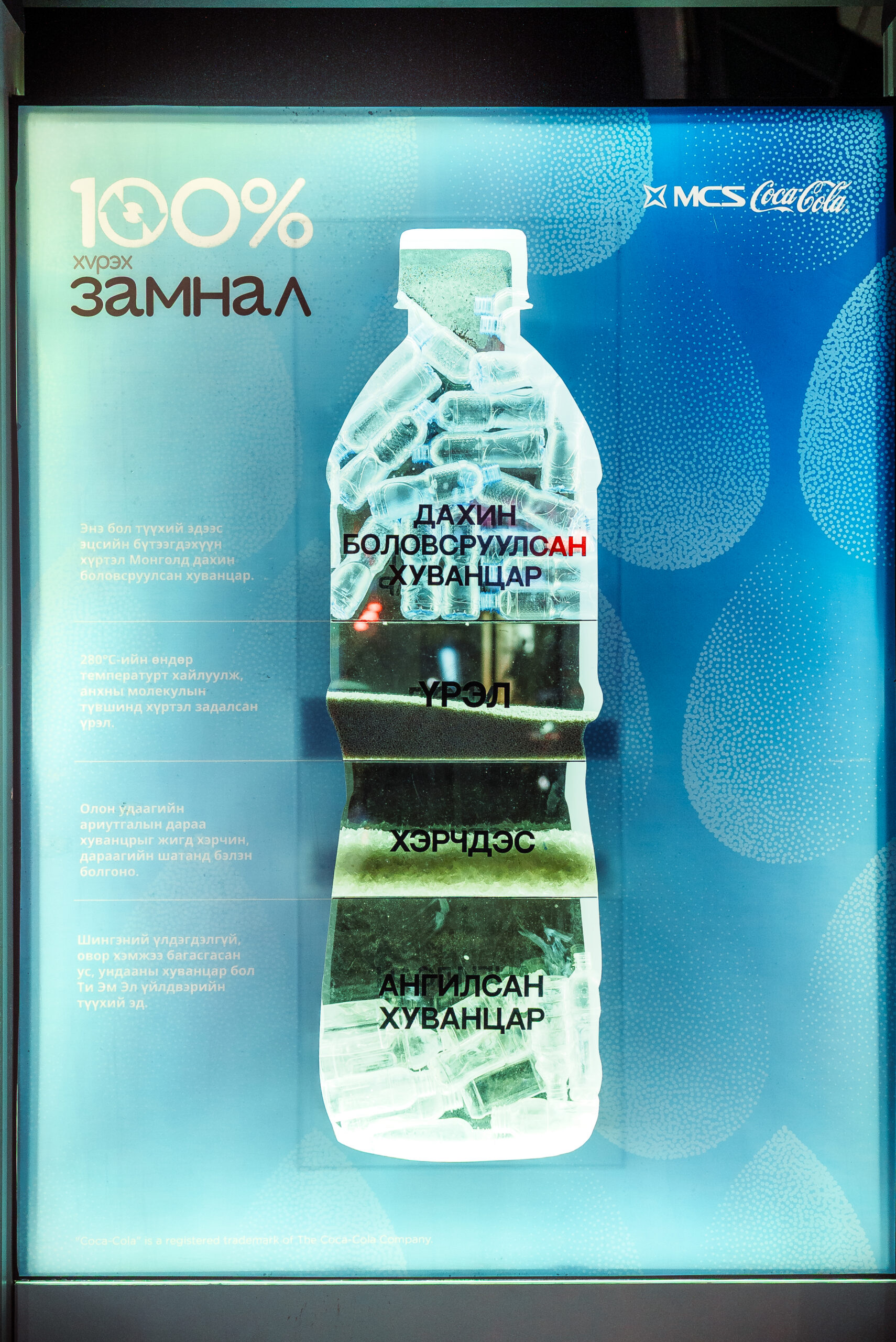
MCS Coca-Cola has set a goal to collect and recycle packaging equivalent to the bottles and containers it sells by 2030. As part of this journey, the company is working toward introducing products packaged in bottles made from 100% recycled materials, processed locally in Mongolia from raw material to final product.


To help enable the introduction of recycled packaging in Mongolia, MCS Coca-Cola launched a plastic sorting and collection awareness campaign in 2022, with the aim of encouraging responsible consumer behavior and supporting plastic collection efforts nationwide.


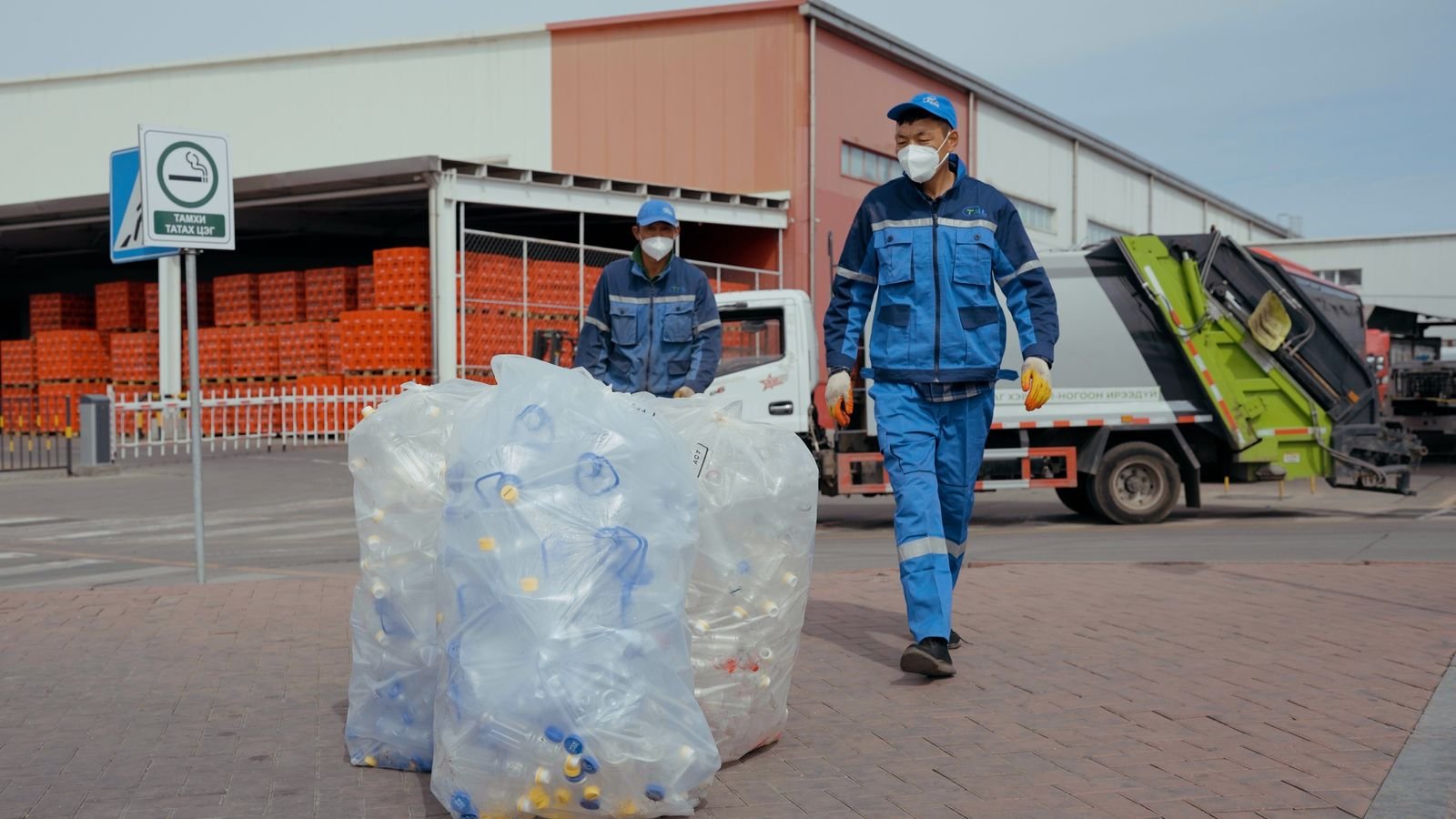
At a time when waste management systems in Mongolia were still developing, and when sorting waste at source and supplying recyclable materials to recycling facilities was not yet widely established among households and businesses, the initiative faced numerous challenges. In response, MCS Coca-Cola has been collaborating with the TML recycling plant and the plastic collection and logistics company SESL to help strengthen a nationwide plastic collection, transportation, and recycling value chain.


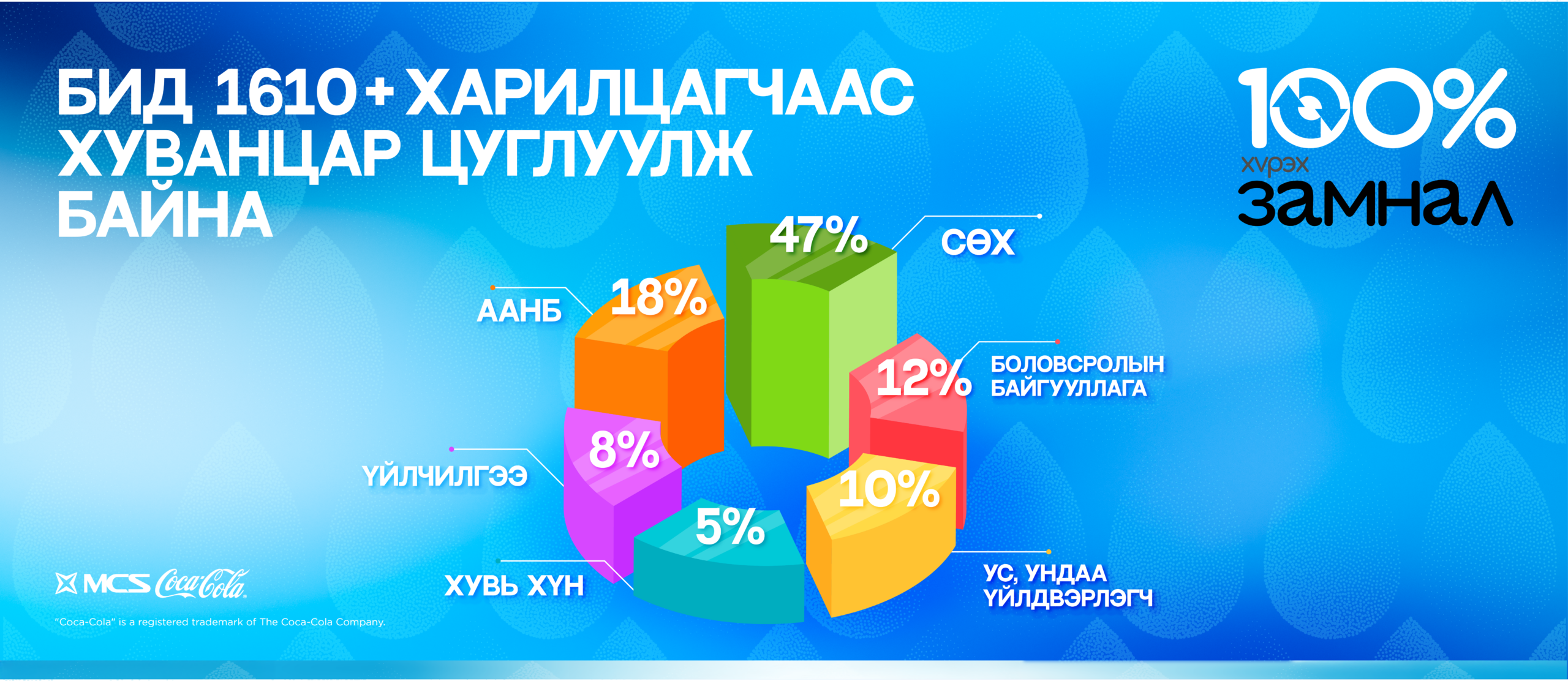
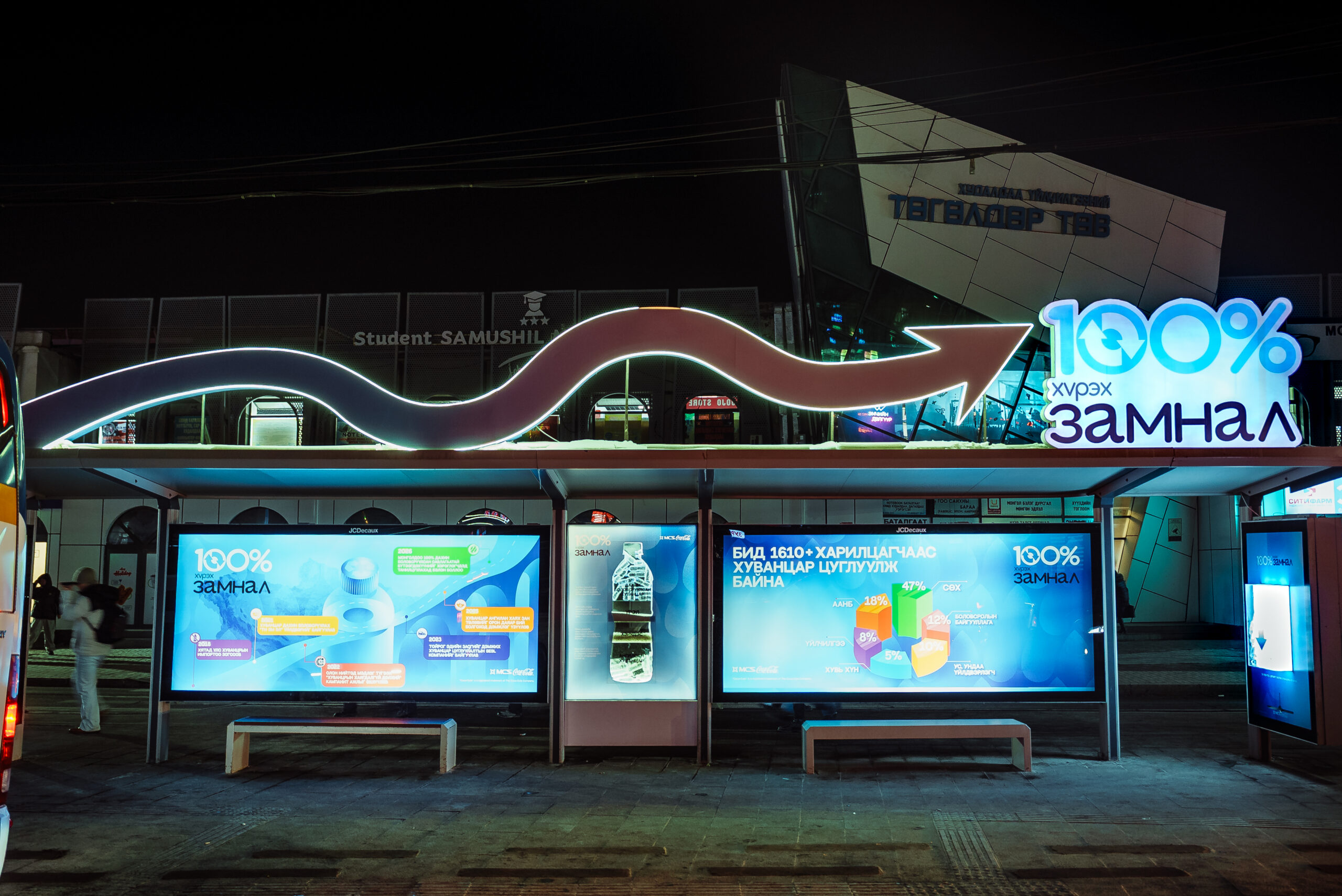
Over the past four years, these efforts have helped establish 1,610 partner locations across the country that sort and collect plastic at the source.


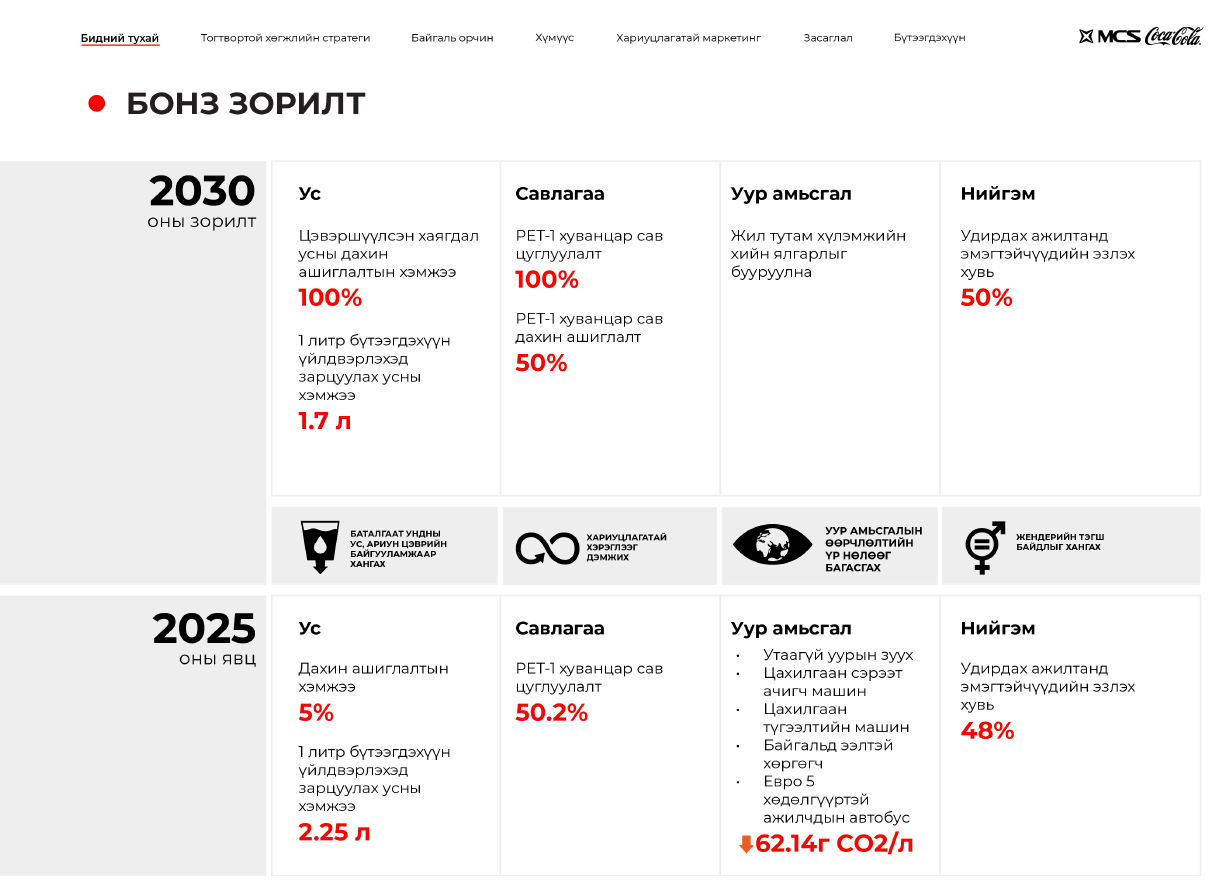
Each year, the company compares the volume of plastic collected with the volume of products sold. As of 2025, plastic collection has reached 50.2% relative to annual sales, reflecting continued progress toward the company’s collection ambitions.


To share its experience, MCS Coca-Cola has launched the “ROAD TO 100%” campaign, highlighting the path it has taken so far, the challenges encountered, and the progress achieved.
Because sustainable development is not defined by one-time solutions or quick wins, the campaign invites the public to explore how learning through trial, adaptation, and continuous improvement helps move these efforts forward over time.


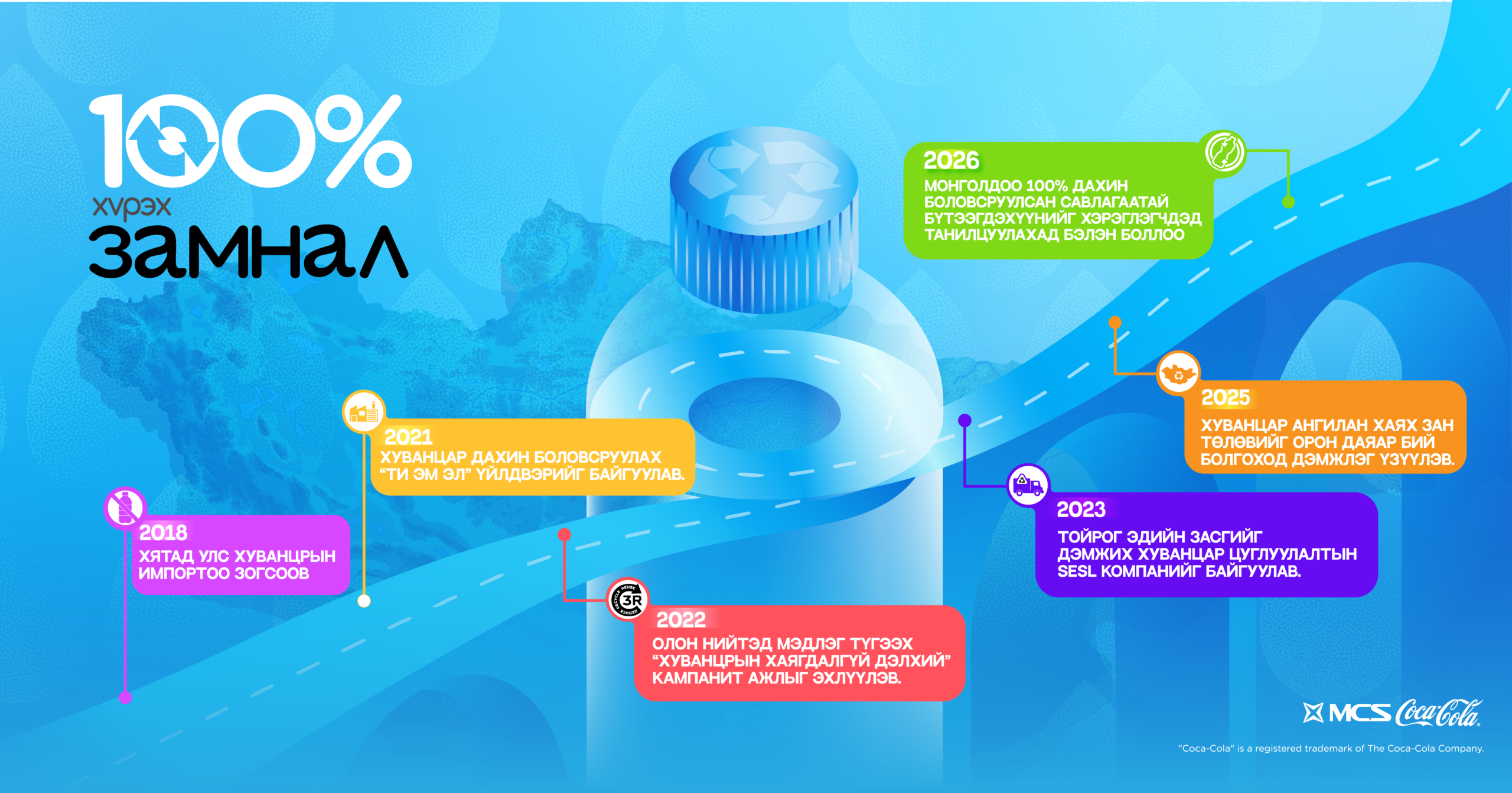
ROAD TO 100%


2018
In Mongolia, annual consumption of plastic beverage bottles was estimated at approximately 18,000 tons. While a portion of used plastic had previously been exported, changes in international import policies led to a growing need to address plastic waste domestically.
During this period, an initiative brought together more than 200 bottling partners worldwide under a shared commitment to support waste reduction and recycling efforts.


2021
In response to local conditions, MCS Coca-Cola partnered with TML to support the establishment of a food-grade PET plastic recycling facility that meets international standards. The TML recycling plant officially began operations in 2021.


2022
MCS Coca-Cola announced its ambition to help collect and recycle plastic bottles equivalent to those used in its beverage products, and launched a national plastic collection awareness campaign in Mongolia.


At the time, around 60% of households disposed of plastic together with general waste. For many people, separating plastic was a new concept, and there was limited clarity around where sorted plastic could be delivered or collected, which reduced motivation to sort waste.


2023
To support the stable operation of the recycling facility and help ensure a consistent supply of raw materials, SESL (Save Earth Save Life) was established to focus on plastic collection and transportation. Efforts to encourage waste sorting at the source, expand collection points, and improve regular transportation of collected plastic were intensified.


2024
Although SESL reached out to many organizations with high plastic usage to propose cooperation, participation remained limited. Challenges related to consumer behavior, habits, legal frameworks, and infrastructure highlighted the need for continued, collaborative solutions.


2025
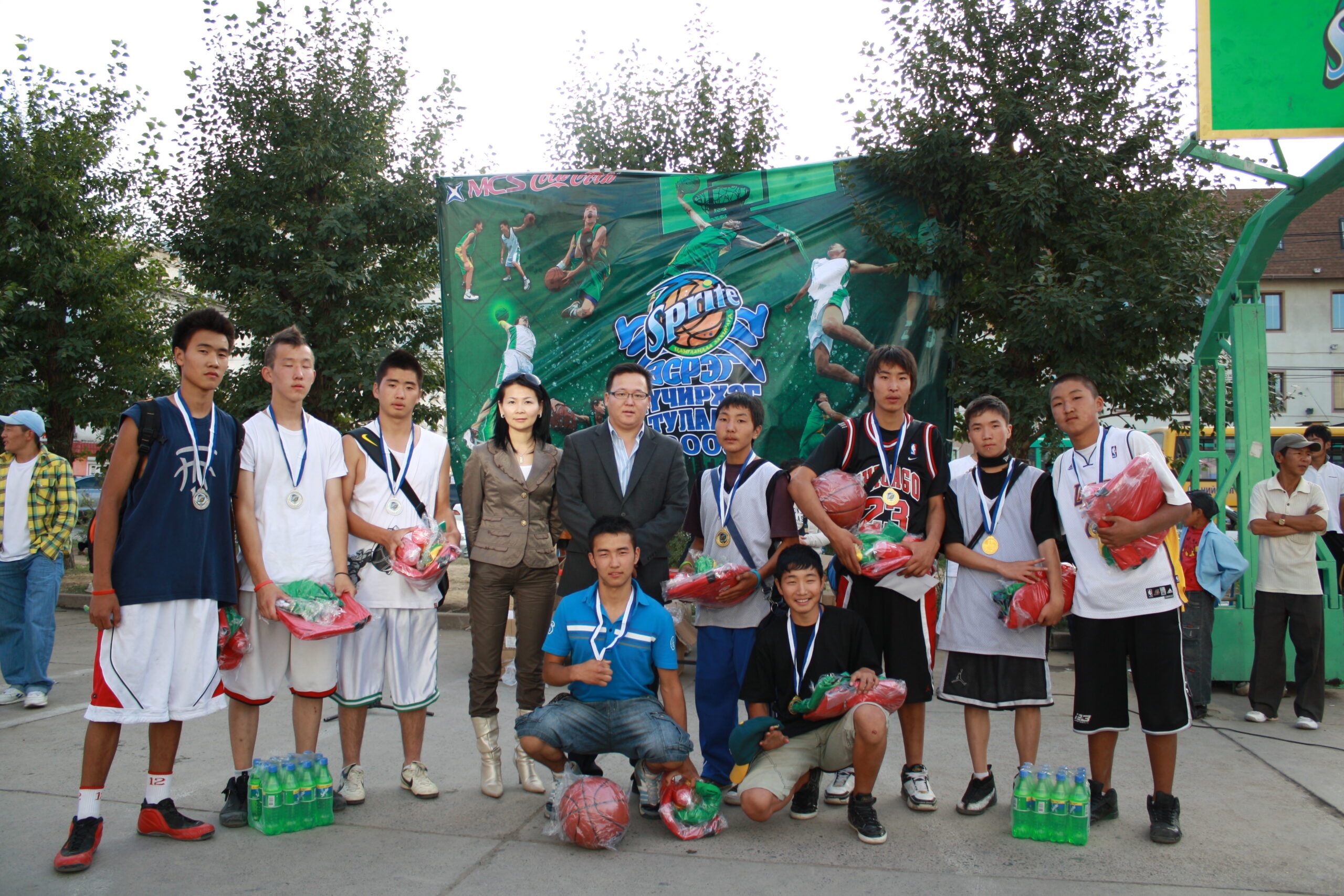
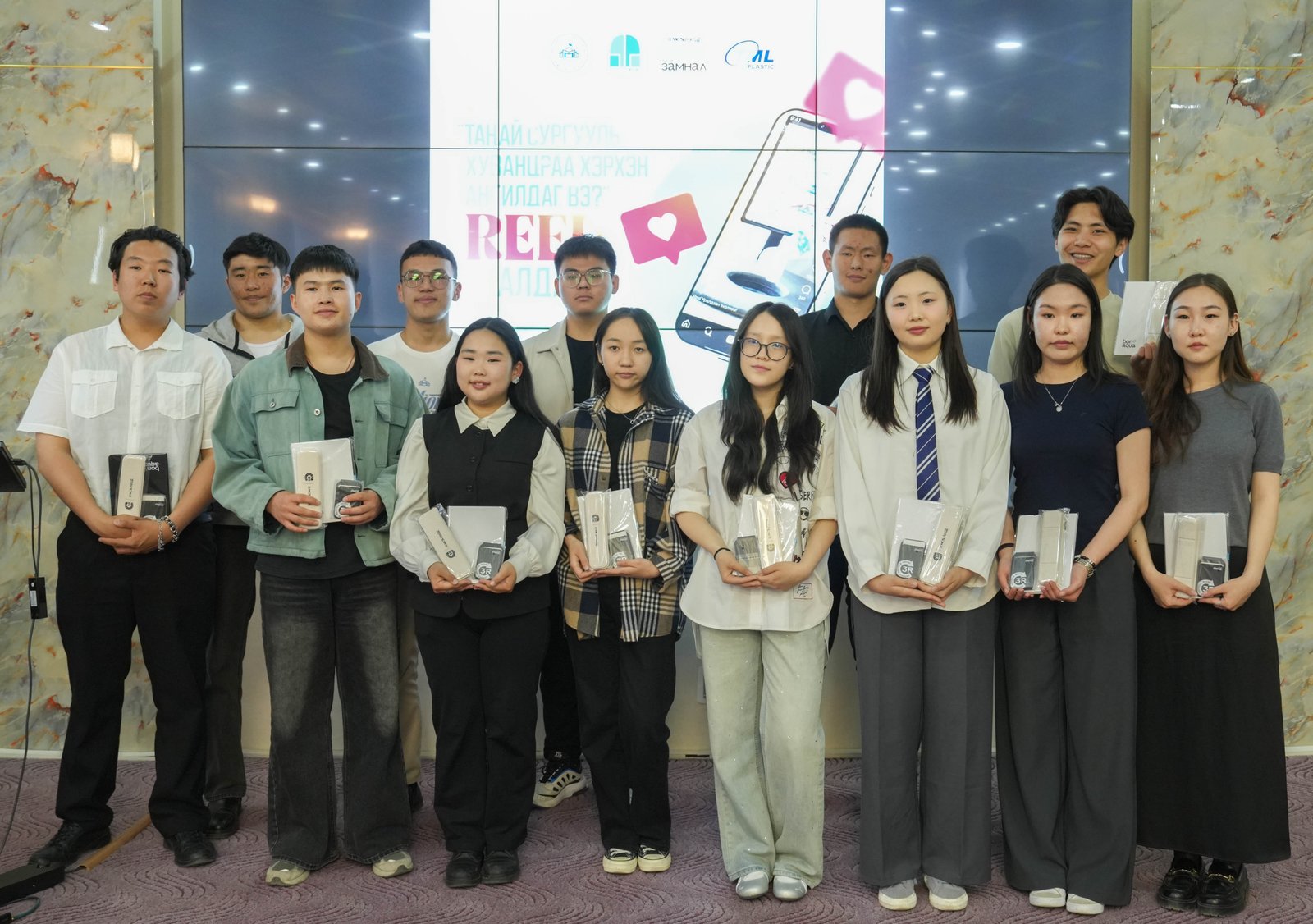
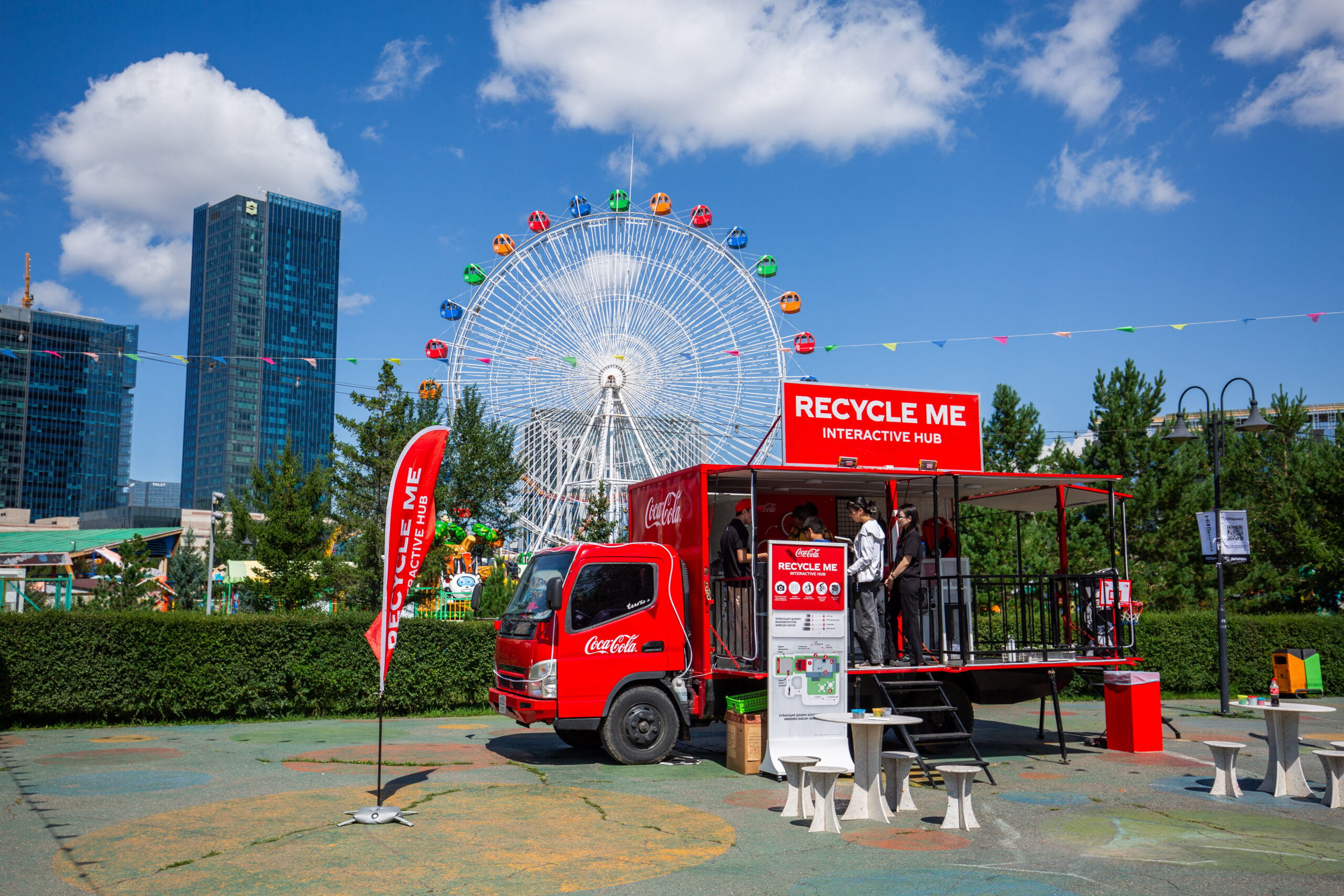
Among several public engagement initiatives, the “Recycle Me Interactive Hub” mobile education center was launched to raise awareness about the importance of plastic sorting and recycling. In addition, since 2022, plastic collection activities have been conducted annually at major public events such as the Playtime Music Festival, 3×3 basketball tournaments, and National Naadam celebrations near the Central Stadium.


2026
Today, the number of consumers who sort their plastic waste continues to grow. As a result of ongoing efforts, the foundations of a plastic sorting, collection, transportation, and recycling value chain are taking shape in Mongolia, reinforcing the idea that plastic becomes waste when discarded, but a resource when sorted.


Thus, MCS Coca-Cola Company has joined the global recycling movement implemented by the Coca-Cola system worldwide, and the historic milestone of introducing products with 100% recycled packaging to the market is drawing ever closer.


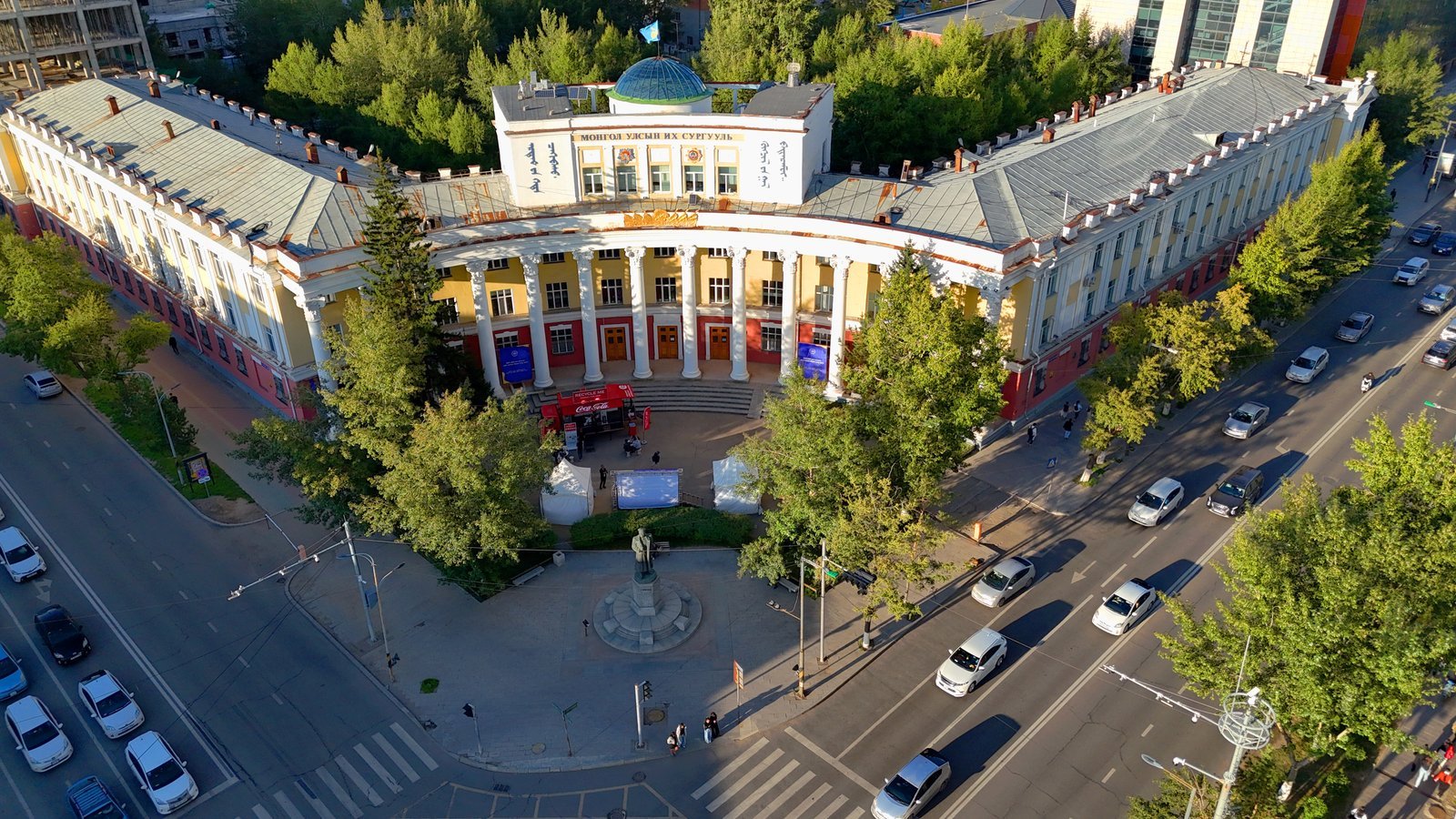
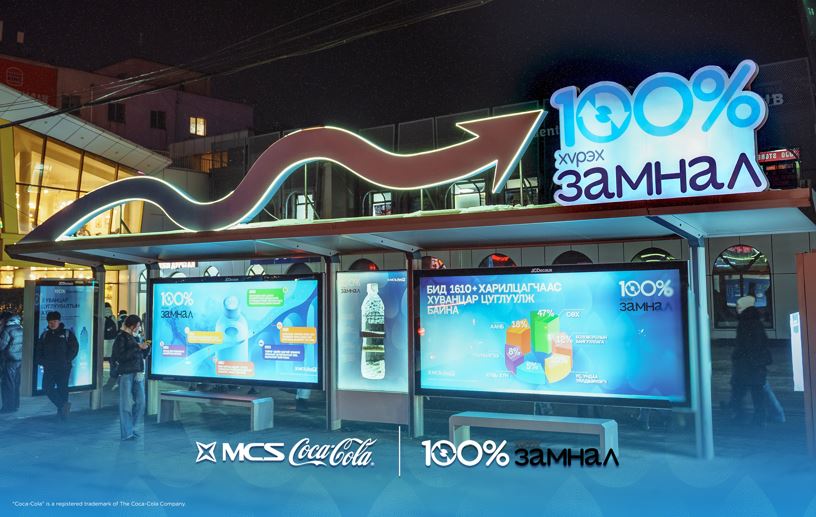
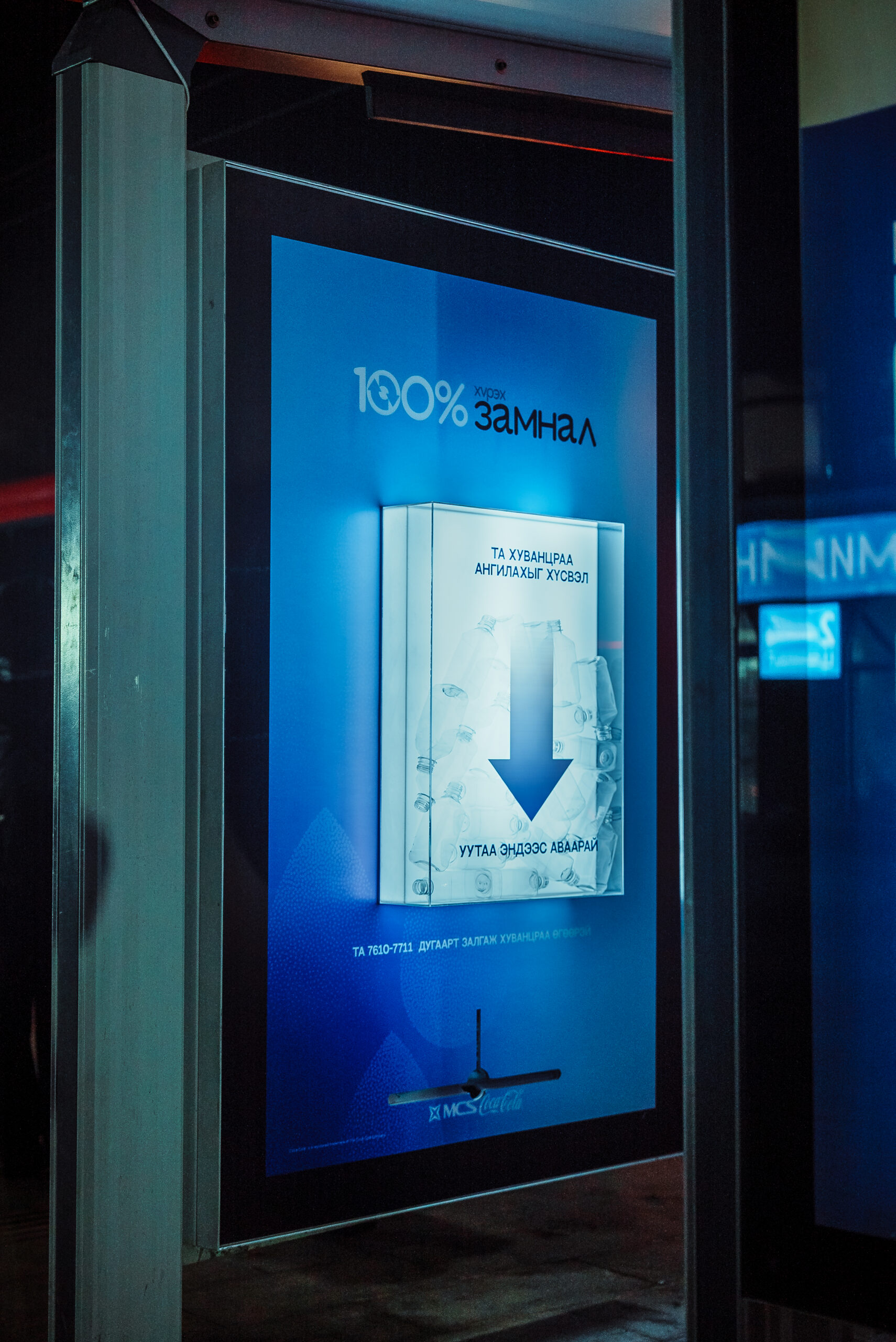
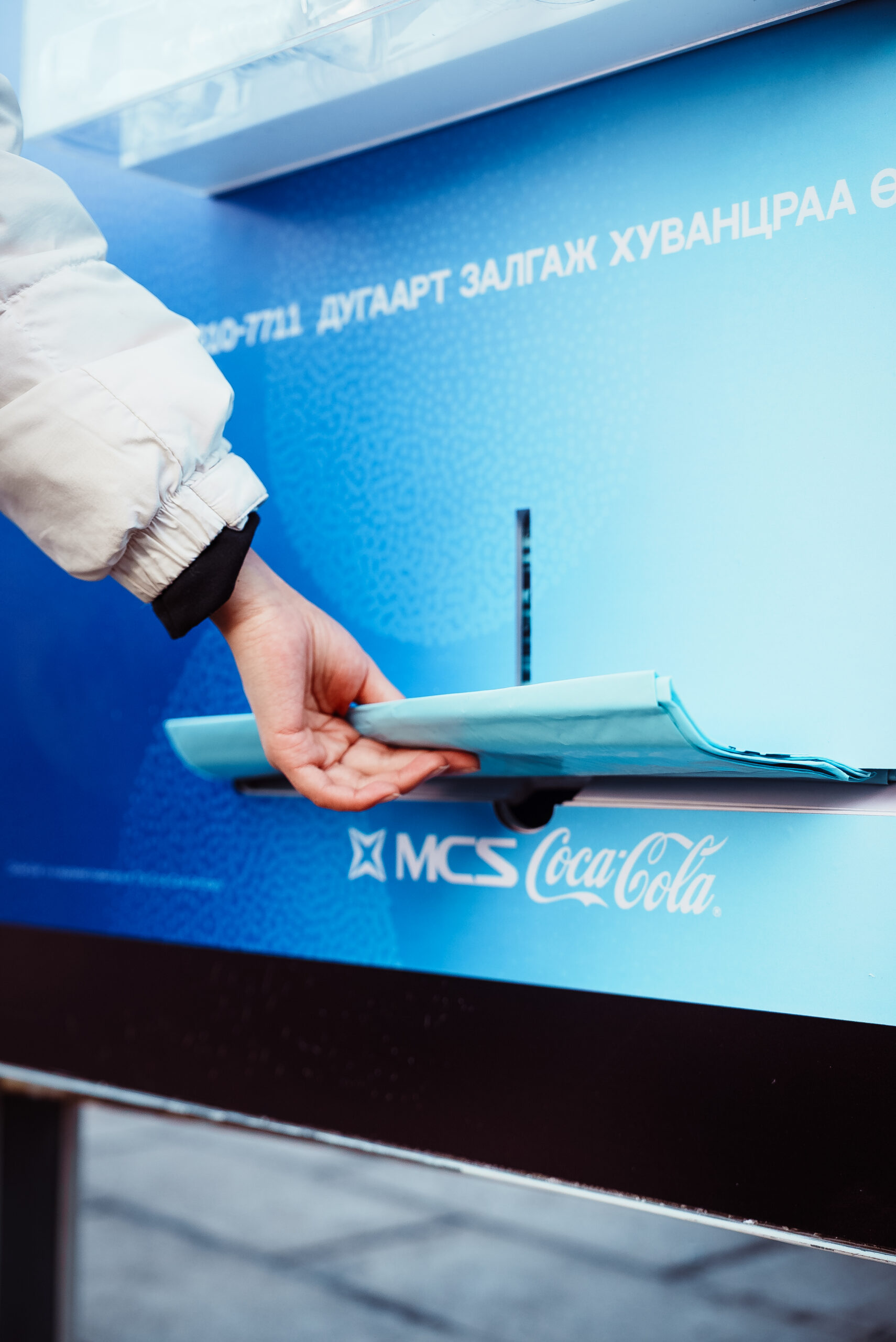
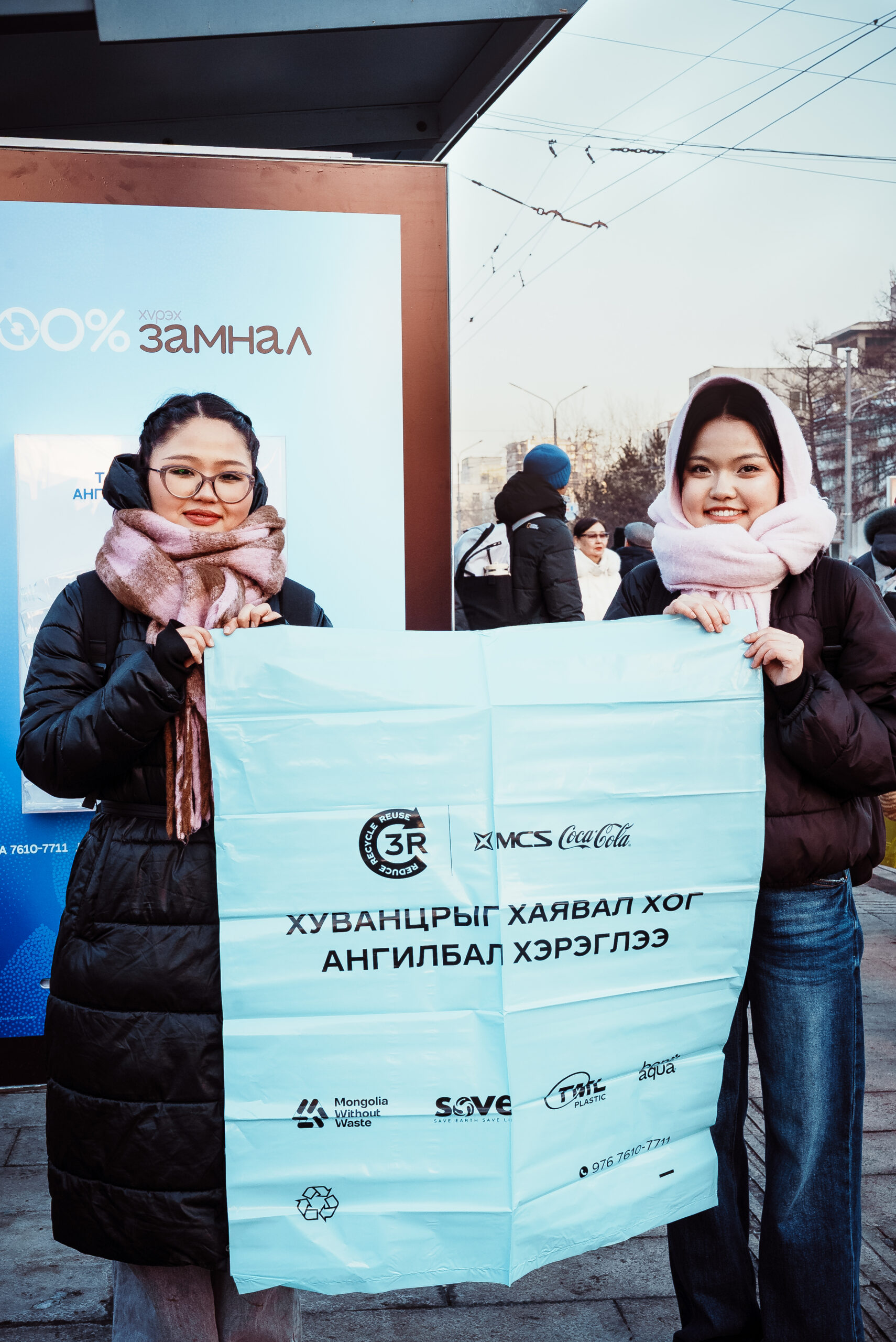
Did you know? MCS Coca-Cola has installed a “ROAD TO 100%” exhibition at the north bus stop near the Mongolian National University of Education. Visitors can receive plastic collection bags made from recycled materials at the exhibit. Once you have collected plastic, please remember to call 7610-7711 to arrange collection.

Categories
Company Онцлох мэдээ News

MCS Coca-Cola has begun using its factory’s treated wastewater for the technological needs of Amgalan Thermal Plant

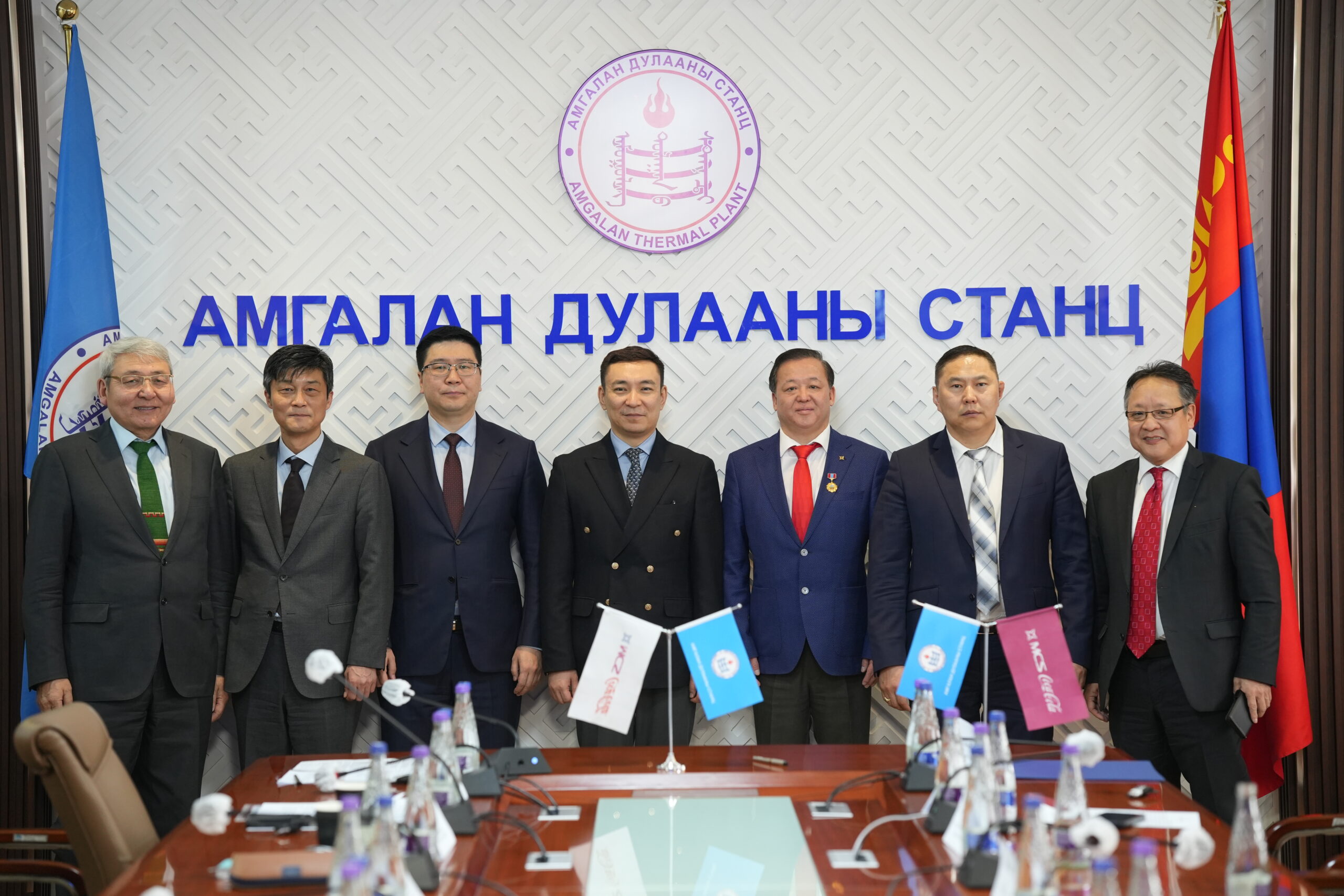
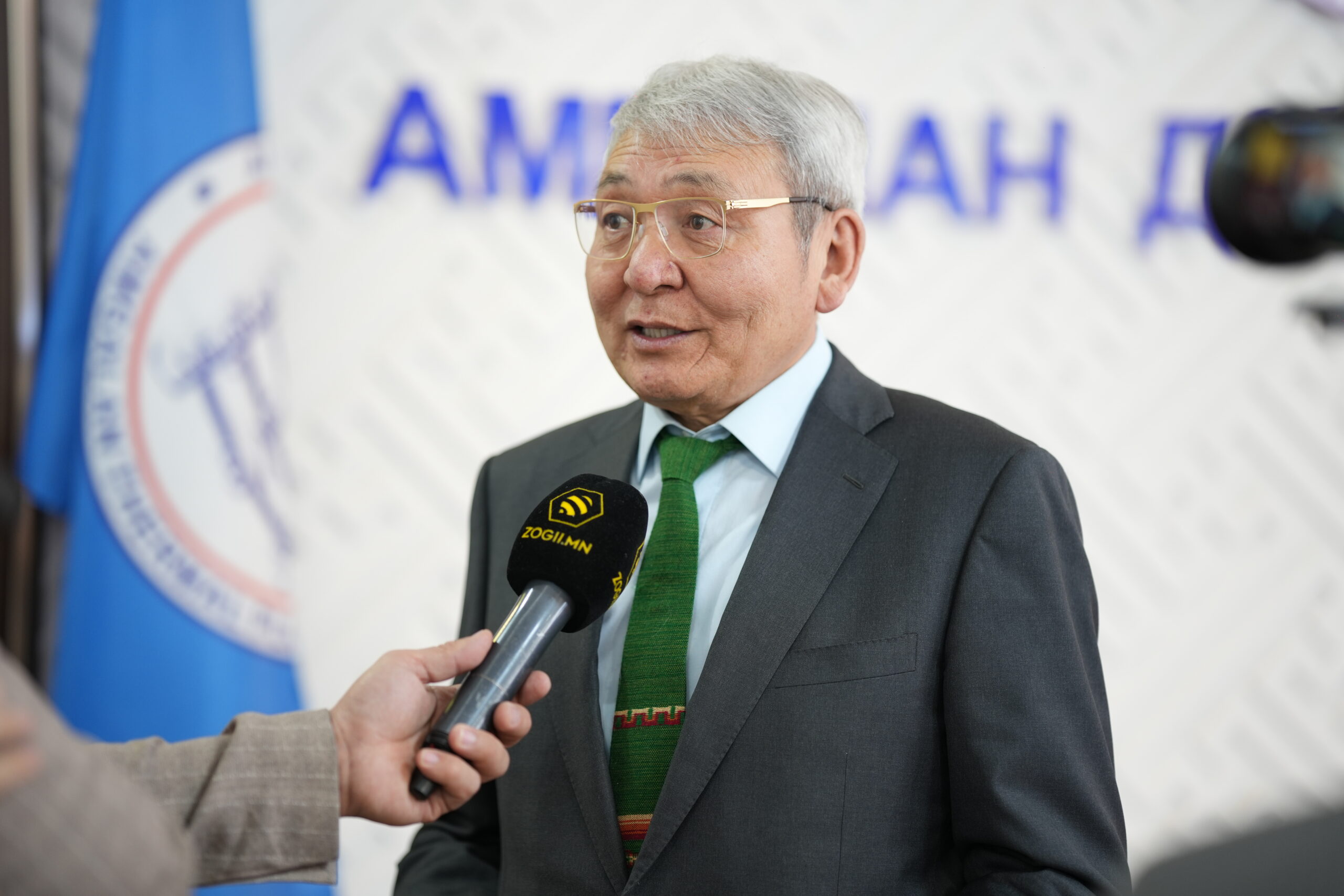
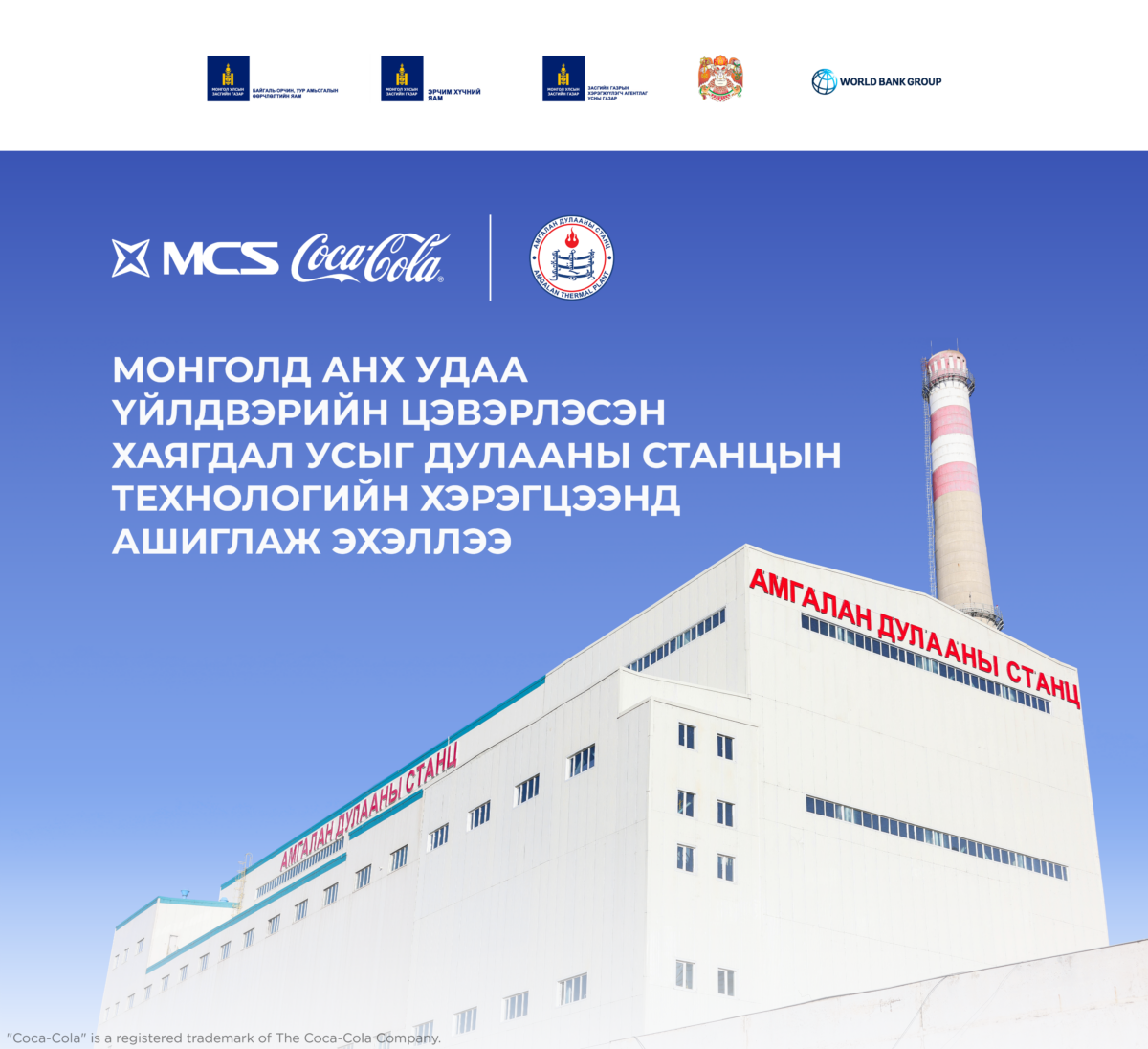
For the first time in Mongolia, a public–private partnership has enabled the reuse of treated industrial wastewater from MCS Coca-Cola LLC for the technological operations of Amgalan Thermal Power Plant. As a result, Amgalan Thermal Power Plant has become the first state-owned power plant in the country to implement a green solution, marking a historic milestone in advancing Ulaanbaatar’s energy and water management sectors. At the request of the Ministry of Environment and Climate Change, the World Bank’s 2030 Water Resources Group implemented a project between 2020 and 2024 with funding from the Korea Green Growth Trust Fund (KGGTF). The project confirmed the technical feasibility of using treated industrial wastewater from MCS Coca-Cola for the operational needs of the thermal power plant.


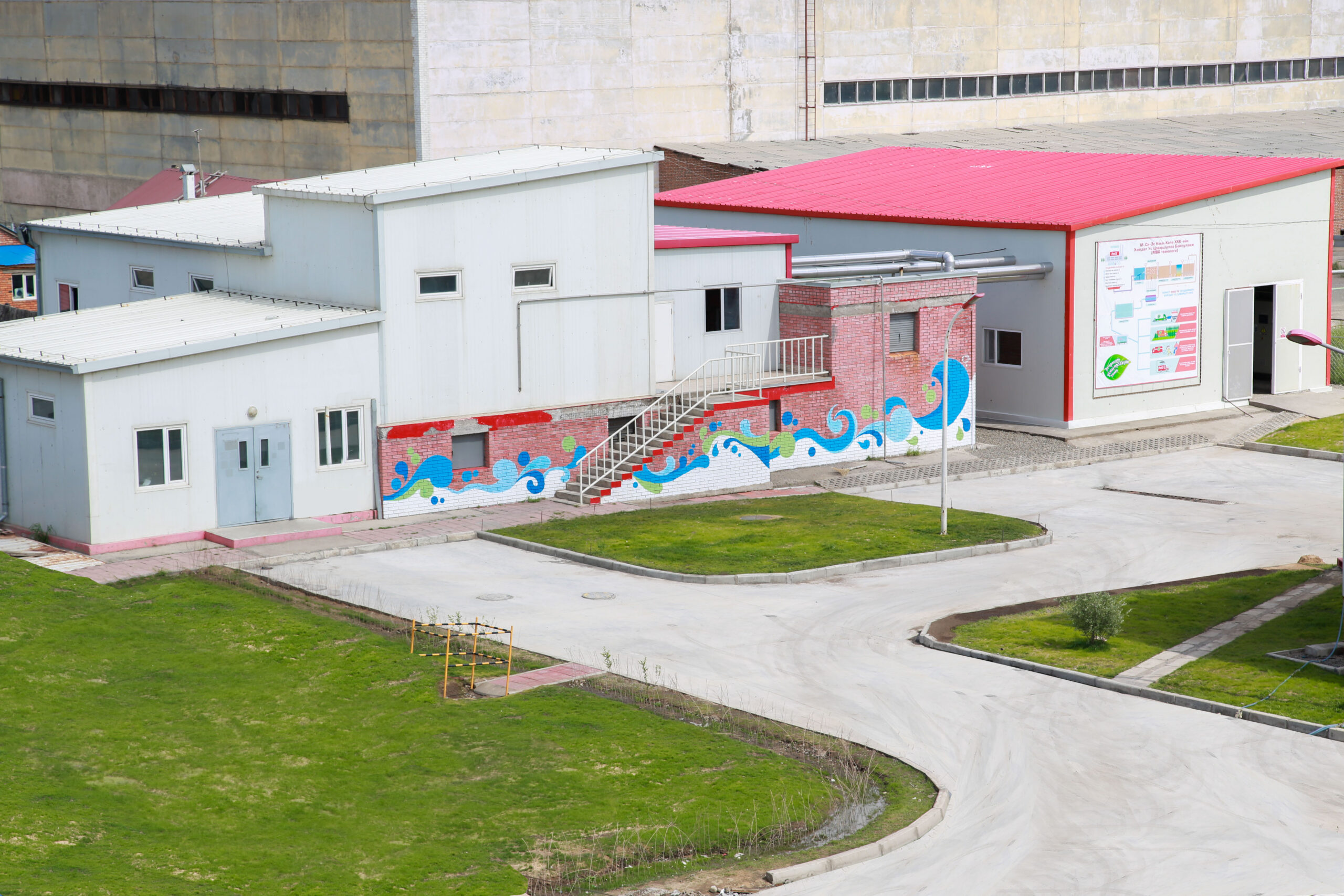
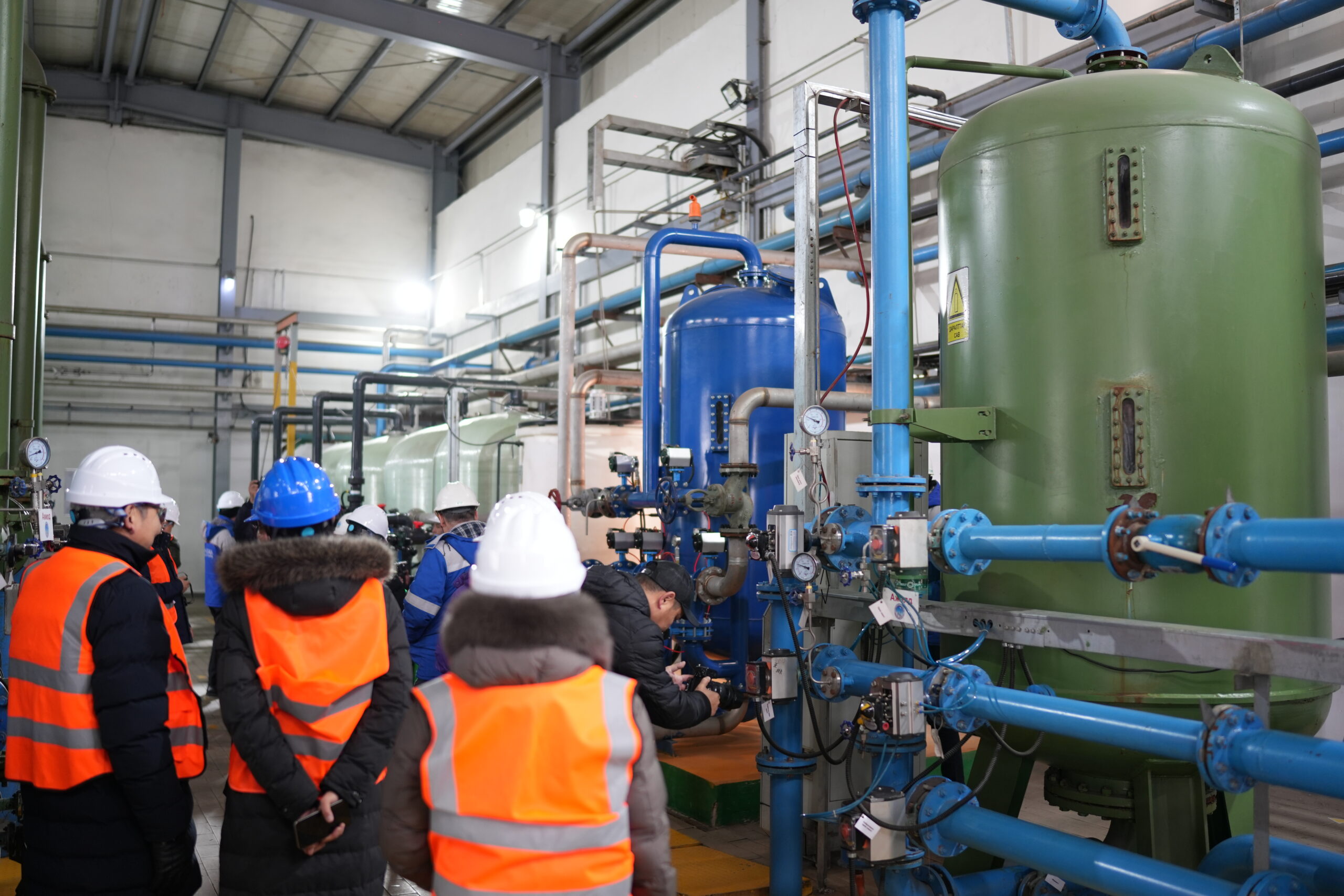
The two facilities are located 2.5 kilometers apart. To enable water delivery, MCS Coca-Cola invested MNT 3.5 billion of its own funds to install pipelines and additional equipment, which have been fully transferred to Amgalan Thermal Power Plant.


Amgalan Thermal Power Plant is the sole heat supply source for the eastern districts of Ulaanbaatar. From September 15 to May 15 each year, the plant will source 40 percent of its technological water needs from MCS Coca-Cola. This amounts to approximately 120,000 cubic meters of water annually, conserving groundwater resources equivalent to the average daily water consumption of 600,000 people.


Photo caption: Pipelines and additional equipment installed with an investment of MNT 3.5 billion.


While Amgalan Thermal Power Plant had already been reusing its own technological wastewater within its production processes, the addition of externally sourced treated wastewater from MCS Coca-Cola enables the plant to become a model facility with zero technological wastewater discharge.


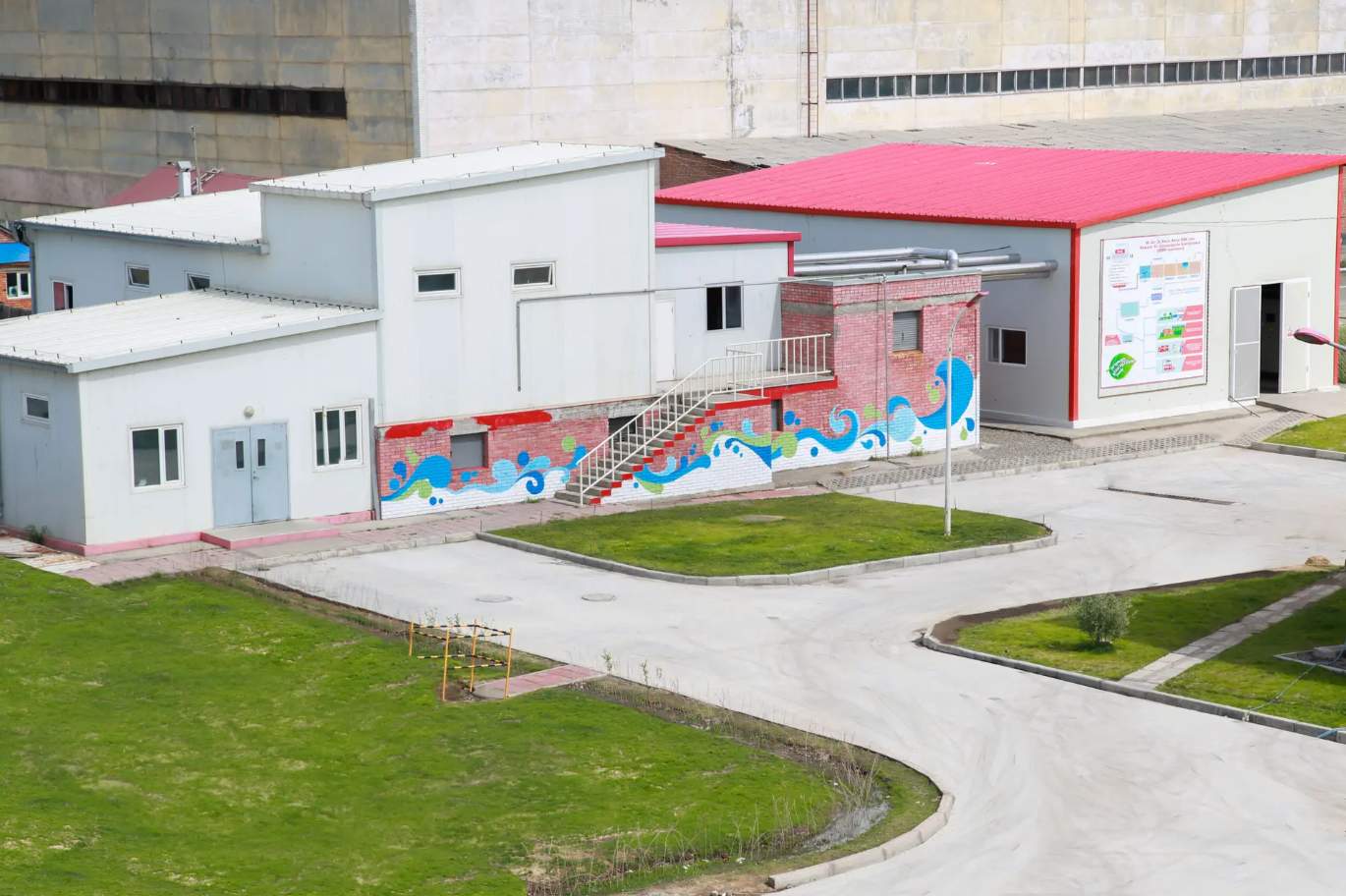
MCS Coca-Cola LLC, recognized as a national “Water Steward” organization, has pursued environmentally responsible production policies for many years. As a pioneer in the food and beverage sector, the company commissioned its industrial wastewater treatment facility in 2010. Since then, it has treated 99 percent of all water used in production through membrane bioreactor technology and supplies the treated water free of charge to organizations for non-potable purposes.


A Historic Green Solution Introduced in the Water Management Sector


By reusing treated industrial wastewater to supply heat to the eastern districts of Ulaanbaatar, this initiative contributes to the development of a circular economy and green growth, delivering positive environmental, public health, and sustainable development outcomes, the partners emphasized.


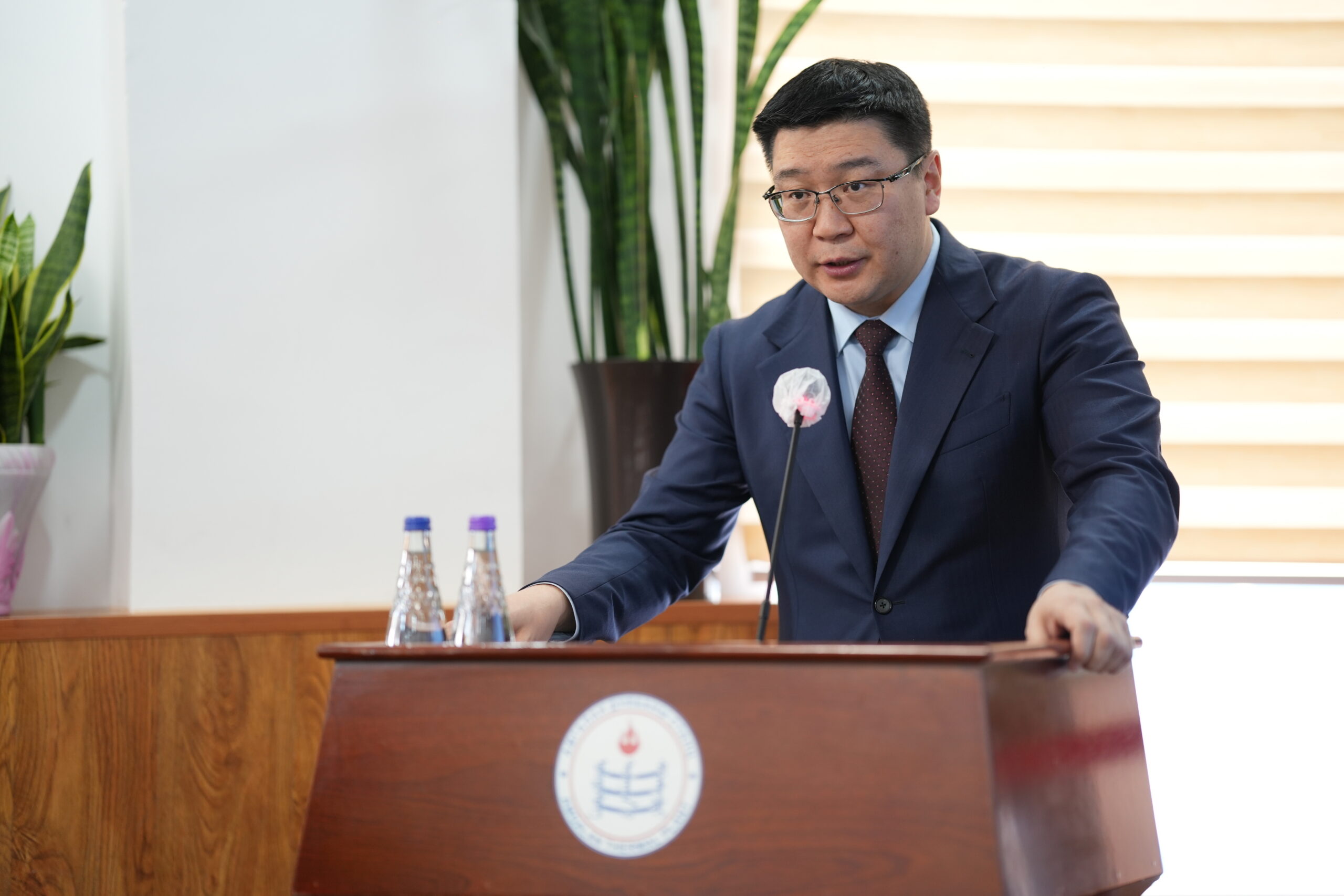
Sh. Batbayar, State Secretary, Ministry of Environment and Climate Change:
“The Government is placing special emphasis on increasing the use of surface water and promoting water reuse. At a time when groundwater reserves are declining, we express our appreciation to these two organizations for demonstrating how the private sector can invest its own resources and work in partnership with the state. By conserving and reusing 500 cubic meters of groundwater per day, Amgalan Thermal Power Plant is making a highly commendable contribution to natural resource protection. We encourage the expansion of this technology across multiple sectors and invite other private enterprises to follow this example.”


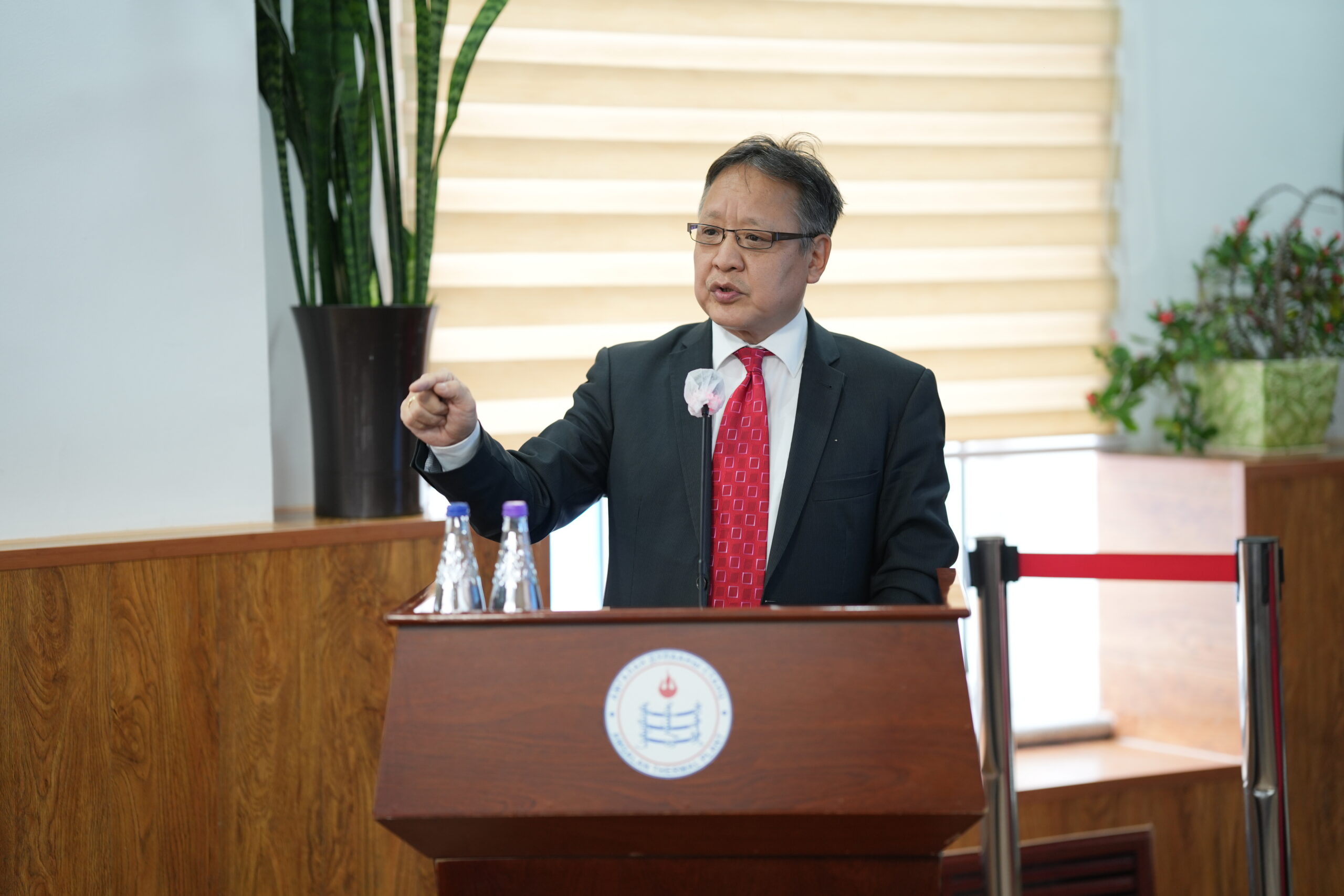
B. Eren-Ulzii, State Secretary, Ministry of Energy:
“Today, through cooperation between the public and private sectors and international financial institutions, we are creating conditions to reuse wastewater for the technological needs of Amgalan Thermal Power Plant, thereby conserving groundwater resources. The Ministry of Energy supports the adoption of energy-efficient, effective, and environmentally friendly technologies. Located in the eastern part of Ulaanbaatar, Amgalan Thermal Power Plant supplies 13 percent of the city’s centralized heat demand. Ensuring reliable and uninterrupted heat supply in the world’s coldest capital city is a top policy priority—one that safeguards not only economic growth but also the lives and health of citizens.”


Z. Batbayar, Head of the Water Department:
“For the first time in history since Ulaanbaatar became a settled city, wastewater has been brought into circulation, opening a new chapter in our lives. Personally, I feel as joyful as a father holding his newborn child. By using treated wastewater from MCS Coca-Cola for the plant’s operations, households can enjoy greater comfort, and the sustainability of the city’s water supply is tangibly improving. This initiative goes beyond cooperation between two organizations—it safeguards drinking water security for thousands of children in future generations. I extend my heartfelt thanks to everyone involved in making this project a success.”


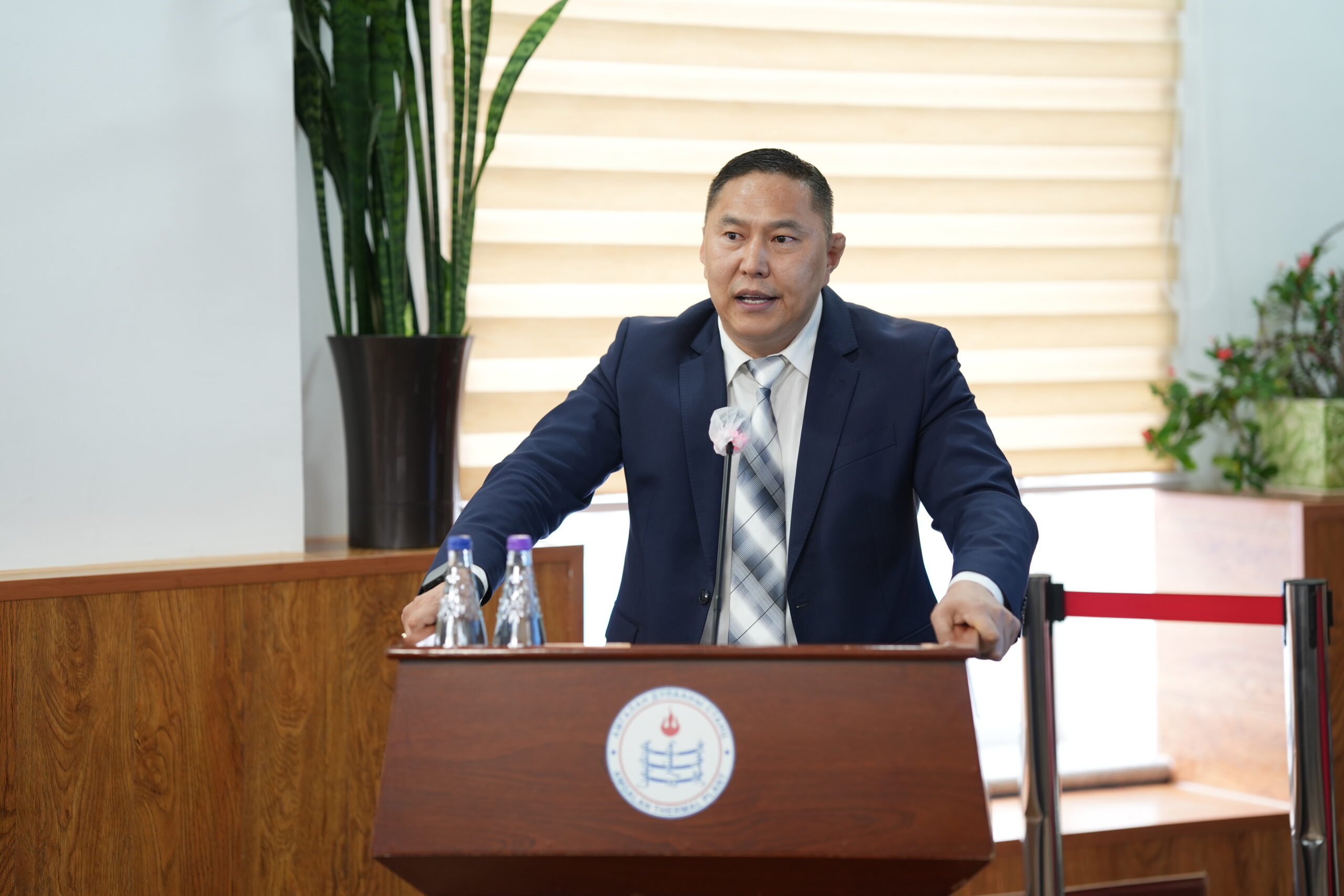
M. Munkhuu, Chief Executive Officer, Amgalan Thermal Power Plant:
“We are pleased to inaugurate a project that conserves precious freshwater resources, reduces environmental pollution, and advances the goals of a zero-waste economy and green development. The feasibility study was funded by the Republic of Korea’s Green Growth Trust Fund, while the MNT 3.5 billion investment for construction and equipment was fully financed by MCS Coca-Cola as part of its corporate social responsibility—without any burden on the state budget.”


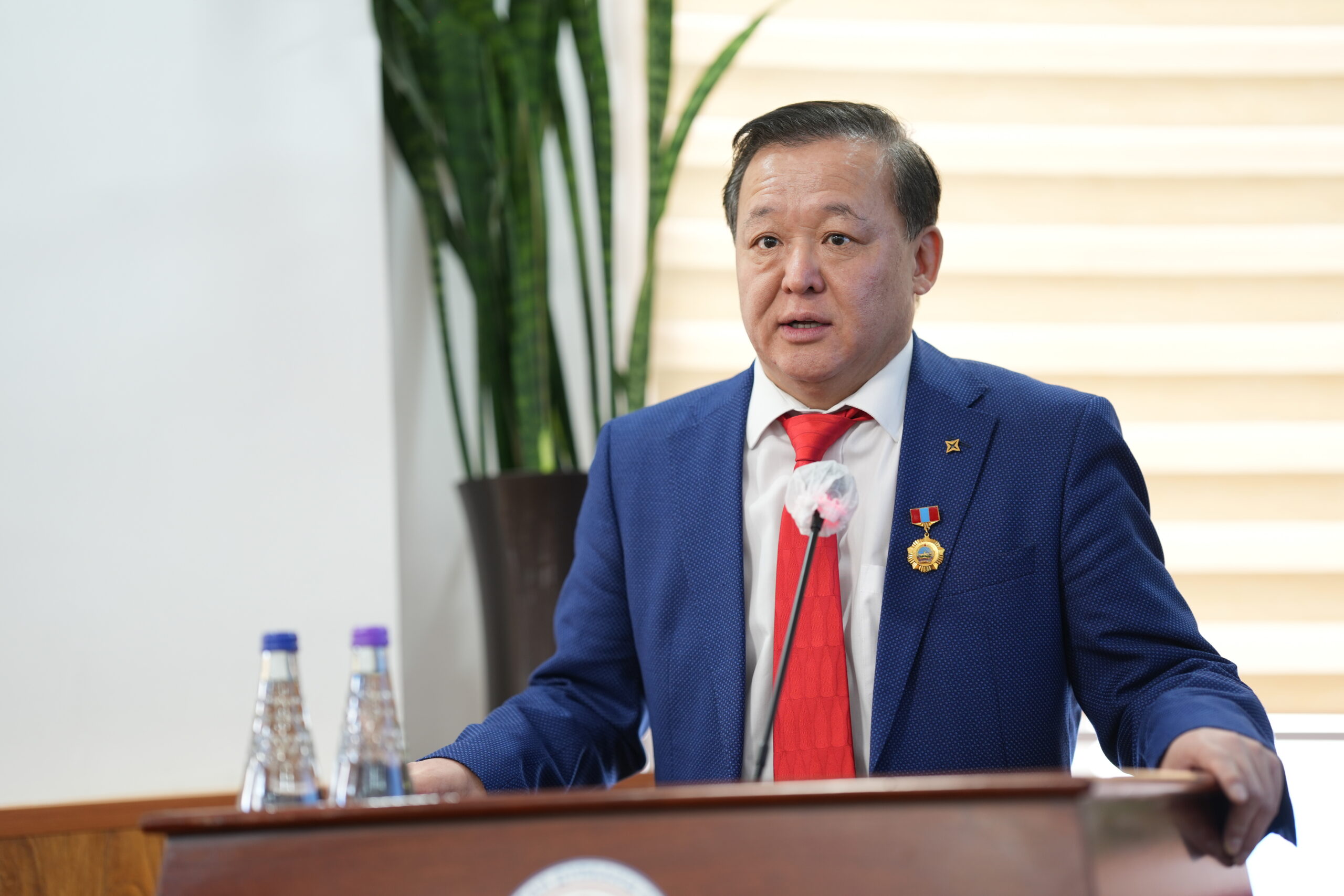
L. Myagmarjav, Chief Executive Officer, MCS Coca-Cola LLC:
“I served on the council of the World Bank’s 2030 Water Resources Group for nine years. At a time when water security is critical for the eastern districts of Ulaanbaatar, we have established a strong example of public–private partnership, with the private sector taking the lead and the state providing support. Through this collaboration, we are implementing a circular, zero-waste economy and the 3R principles—reducing water use, treating used water, and reusing treated water—in practice.”


Dr. D. Dorjsuren, Chair of the Board, Freshwater Institute:
“This project is a vital initiative for strengthening Mongolia’s water security and governance. Through science-based research, optimal solutions, and multi-stakeholder partnership, a green solution has been successfully implemented via public–private cooperation. I am confident that this experience of reusing wastewater in the energy sector will be replicated nationwide. My sincere gratitude goes to all who turned this vision into concrete action to protect the environment and preserve valuable resources for future generations.”


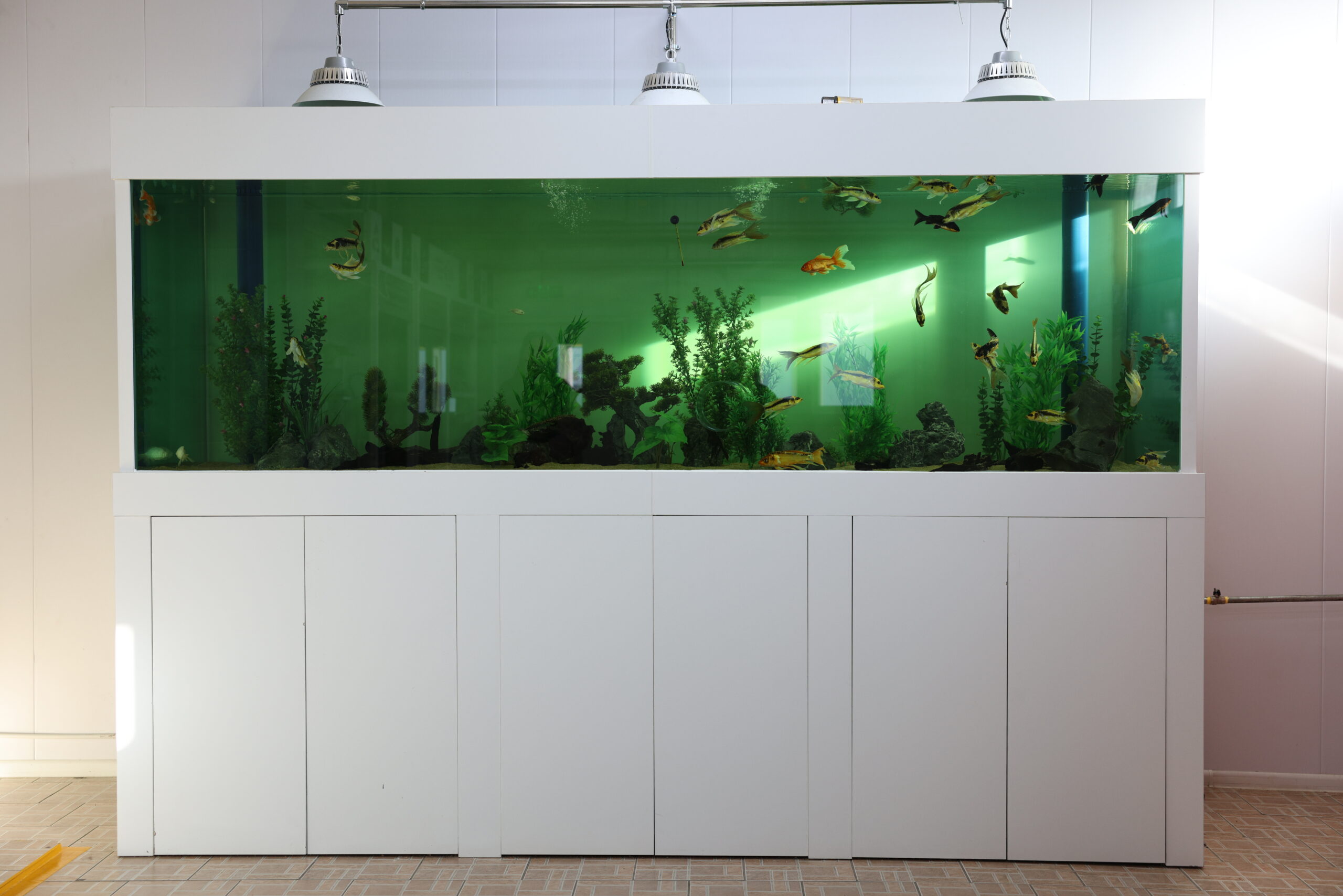
Photo caption: Fish can survive in industrial wastewater treated to a 99% purification level.


For reference, MCS Coca-Cola treats its industrial wastewater in compliance with:
• MNS 4943:2015 – Water quality requirements for discharge into the environment
• MNS 6734:2018 – General technical requirements for treated water intended for reuse


The treated water meets standards suitable for sustaining aquatic life and is used for road cleaning, landscaping, and irrigation of green spaces and parks. To further expand the use of treated industrial wastewater and protect groundwater resources, organizations can obtain water from MCS Coca-Cola between May 15 and September 15 each year.

Categories
Juice Brand

Minute Maid

Categories
Juice Brand

Rich

Categories
Juice Brand

Добрый

Categories
Juice Brand

Moya semya

Categories
Company Онцлох мэдээ News

MCS Coca-Cola introduced the importance of plastic recycling to 60,000 people

MCS Coca-Cola launched a new awareness and education initiative on plastic recycling called the “Recycle Me Interactive Hub,” an educational center, starting in June this year. Since then, it has visited more than 10 high-traffic locations in the capital city and introduced 60,000 citizens the importance of plastic recycling.


The “Recycle Me Interactive Hub” mobile center was designed to be participatory and interactive, allowing visitors to experience and try the plastic recycling process in a realistic way. For example, visitors could take a virtual tour of the “TML Plastic” factory, learn about the life cycle of plastic bottles, explore environmentally friendly products reborn from water and beverage bottles, and physically take part in the plastic recycling process through a 10-step activity.


For the interior setup of the “Recycle Me Interactive Hub,” the company reused its physical sustainability report that had previously been exhibited at Shangri-La Mall. In addition, in line with its 3R (Reduce, Reuse, Recycle) environmental policy, it is notable as an eco-vehicle equipped with solar power systems that convert solar energy into electricity.


There is research indicating that around 20,000 tons of plastic waste from water and beverage bottles is generated in Mongolia each year. Last year, the “TML Plastic” factory collected and recycled 56% of this amount. Therefore, through this educational center, MCS Coca-Cola and the “TML Plastic” factory have continued to jointly implement an impact initiative to increase public participation, spread environmentally friendly attitudes, and help residents develop the habit of properly sorting plastic waste and disposing of it in designated bins.


YouTube link: https://youtu.be/ELMVtH7-6w4?si=FZkEff4kFQmw800q


Additionally, as part of MCS Coca-Cola’s core corporate social responsibility work, products packaged in 100% recycled plastic bottles—produced in Mongolia in accordance with global quality and standards from raw materials through the final stage—are expected to go on sale early next year.

Categories
Company News

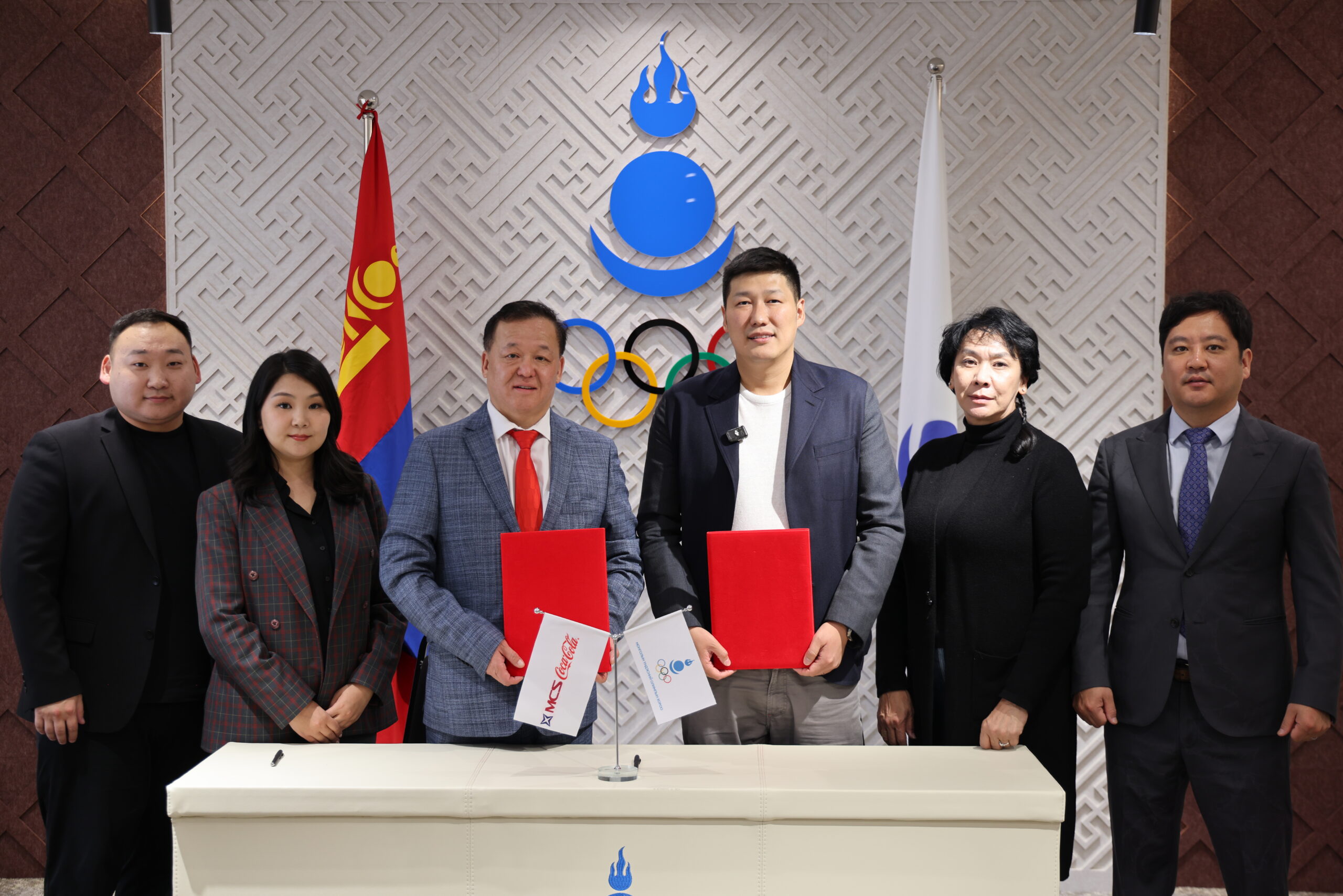
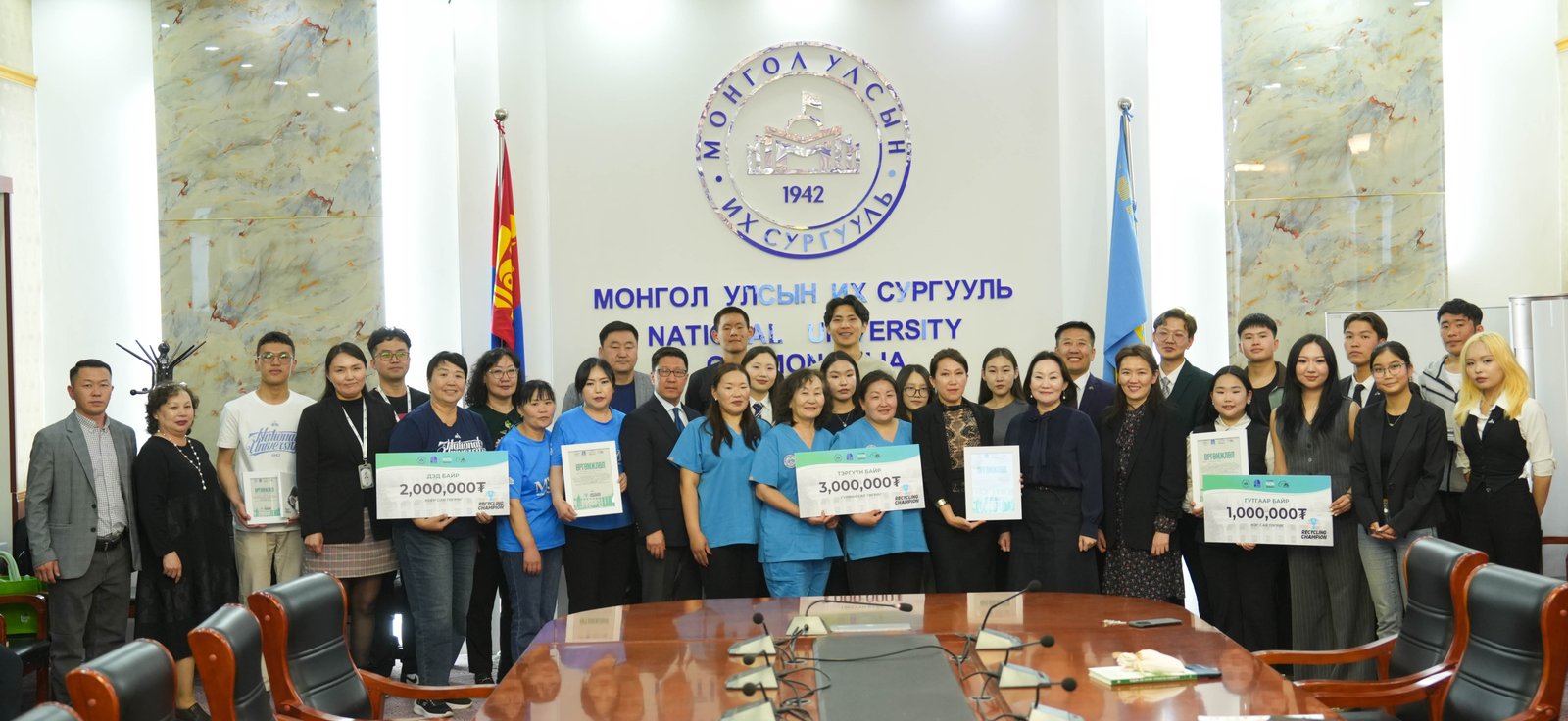
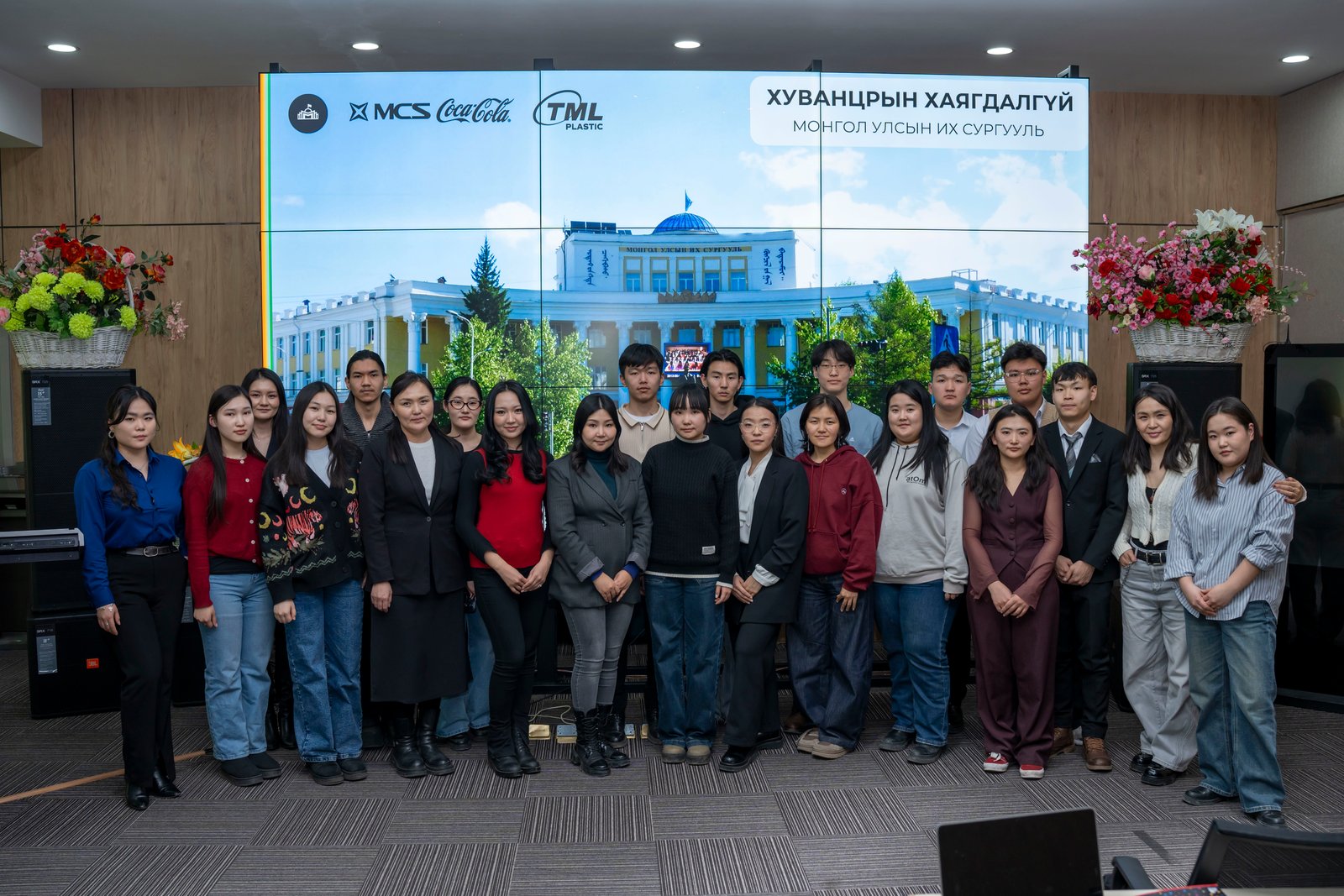
MCS Coca-Cola signed a memorandum of understanding to collaborate with National University of Mongolia

The National University of Mongolia (NUM) and MCS Coca-Cola signed a memorandum of understanding to implement multifaceted cooperation. Since its establishment in 2001, MCS Coca-Cola—operating under the slogan “Bringing a Global Brand to Mongolia”—has introduced many new technologies and international standards in line with Coca-Cola’s requirements, made an important contribution to the country’s economy and society, and continued to carry out environmentally friendly operations.


Under this memorandum, the parties will work together in three main areas: supporting NUM in creating an eco-friendly campus environment aligned with the UN Sustainable Development Goals; implementing training, research, and projects related to environmental social and governance (ESG); and strengthening and developing human resources through capacity-building and professional development.


NUM Rector B. Ochirkhuyag stated: “NUM’s 2025–2030 strategic plan includes goals such as collaborating with government, the private sector, industry, educational and research institutions to create an eco-friendly learning environment based on shared resources; establish a waste-sorting system; strengthen research and innovation capacity; and train top specialists who can compete internationally at a high level. In line with these goals, we believe the initiatives we plan to implement with MCS Coca-Cola will be an important step in promoting the values of sustainable development. Therefore, we are pleased to begin this cooperation.”


L. Myagmarjav, CEO of MCS Coca-Cola LLC, said: “ESG — Environment, Social, and Governance — policy is one of the key criteria that ensures an organization’s long-term sustainability. It is not simply a profit-driven business objective, but a responsibility to society. In Mongolia, plastic consumption and waste are increasing every year, and establishing a proper system for sorting and disposing of waste is one of the important steps toward turning sustainable development goals into real action. For this reason, our aim is to help future professionals and decision-makers develop habits of responsible consumption, learning, and collaboration. This partnership is strategically important in spreading leadership in sustainable development.”
 

NUM has more than 10 buildings and facilities, including affiliated schools, research institutes, and a library, with 1,600 faculty and staff and 23,000 students. Therefore, within the framework of the memorandum’s objectives, we plan to create joint participation among scientists, researchers, and professional staff to help solve pressing sector issues, co-organize research initiatives, and contribute to jointly using data and bringing it into academic circulation.


In addition, the parties will collaborate to provide students and young people with opportunities to learn from international best practices, become part of these processes, gain workplace experience through internships, and potentially move into full-time employment in the future. By signing this memorandum, and in line with NUM’s five-year strategic goals, the parties are launching efforts to help faculty, staff, and students develop positive everyday habits of sorting waste—moving toward becoming a “model university without plastic waste.”


Categories
Company News program News

MCS Coca-Cola Supports the Eco-Friendly “PLAYTIME” Festival for the Fourth Year

With the goal of becoming one of Asia’s top five leading music festivals, “Playtime Festival 2025” was held over four days — July 3, 4, 5, and 6 — at Playtime Field. MCS Coca-Cola participated for the fourth consecutive year as a strategic partner supporting the festival’s green and sustainable development direction.


Under this year’s slogan “Earth. Music. Art. Love,” MCS Coca-Cola helped create an eco-friendly festival experience together with 20,000 young people at the Coca-Cola Real Magic Zone, as outlined below.


COCA-COLA REAL MAGIC STAGE PROGRAM


Over the four days, Coca-Cola Real Magic prepared engaging programs for young attendees. Members of The MongolZ esports team — 910, bLitz, and Rozigoo — visited the Coca-Cola Real Magic stage, spoke with loyal fans, and took photos, creating one of the day’s most memorable highlights.


In addition, The Lemons and Vandebo performed on the second and third nights, uniting thousands of young people gathered at Playtime Festival 2025. In front of the Coca-Cola Real Magic stage, the crowd shared their voices, emotions, and heartbeats—spending unforgettable nights moved by music.


“GREEN PLAYTIME” OPEN DISCUSSION


A yearly tradition has become firmly established at the Coca-Cola Real Magic stage: an open discussion where organizers, sponsors, artists, and participants explore the theme of how to create an eco-friendly festival together. Each year, they discuss what progress and improvements Playtime has made in environmental friendliness and sustainable development. At the end of the discussion, winners of a quiz received a Coca-Cola co-branded “Labubu” gift.


“RECYCLE ME” INTERACTIVE HUB x PHOTO BOOTH


MCS Coca-Cola transformed one of its delivery trucks to create a “Recycle Me” Interactive Hub — a truck that can be set up anytime, anywhere. Young attendees learned about various products made from recycled plastic and took part directly in recycling the plastic water and beverage bottles they used during the festival, becoming an active part of the eco-friendly festival movement.


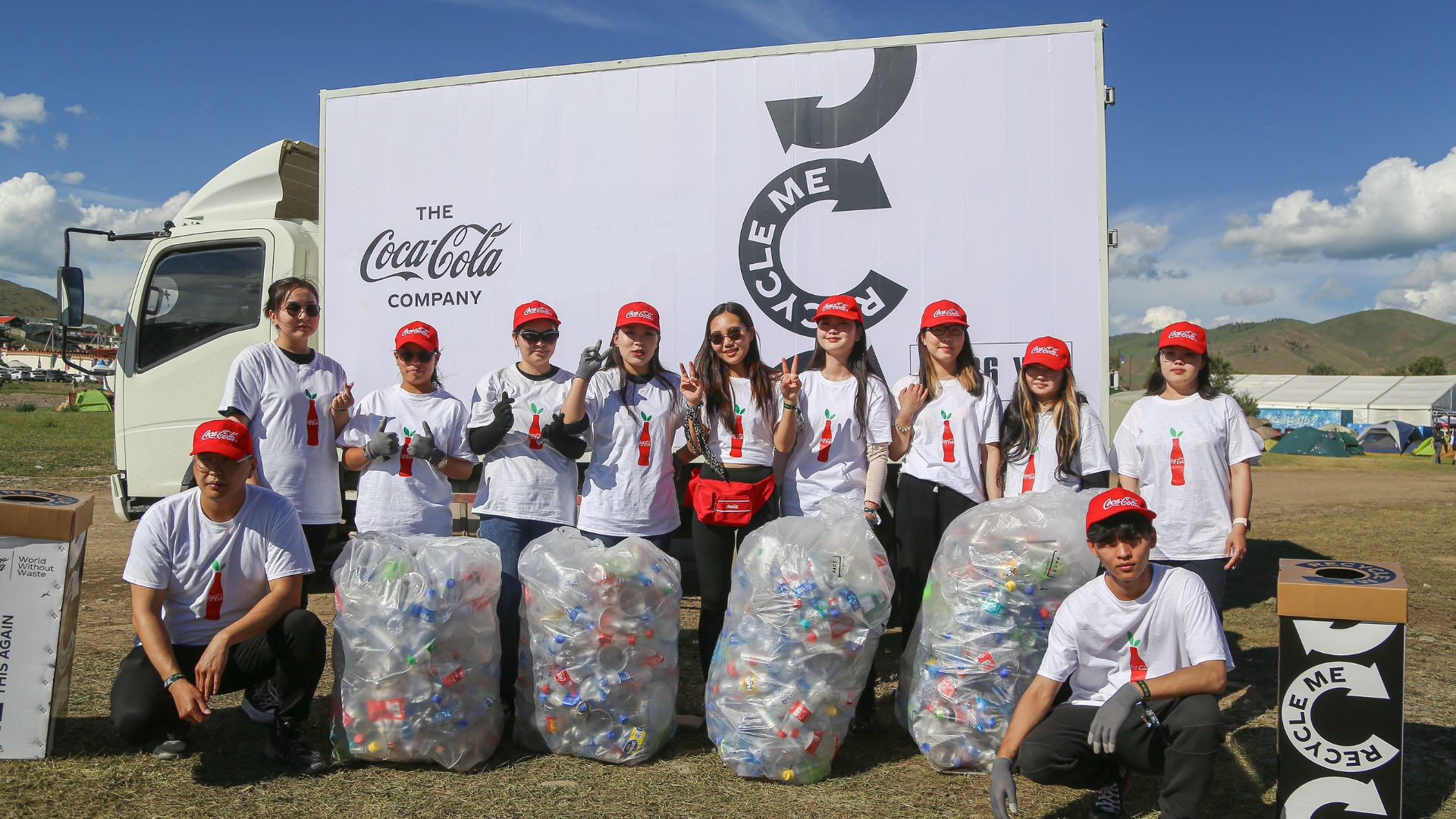
The company also created a photo wall using reused plastic and introduced the campaign message: “If you throw plastic away, it becomes trash; if you sort it, it becomes a resource.” As in previous years, 940 kg of used water and beverage plastic was collected and received by MCS Coca-Cola’s partner, TML Plastic, for recycling.


TREE PLANTING


In the days leading up to the festival, MCS Coca-Cola planted more than 50 white poplar trees to reduce wind impact and stabilize the local microclimate. These trees grow quickly and are highly effective at filtering air and stabilizing soil—serving as a practical example of environmentally responsible festival operations.


GROUND MOISTENING


In its production process, MCS Coca-Cola treats and purifies all the water it uses, and reuses it for purposes other than drinking water. During the festival days, the company used this purified water to moisten the grounds of Playtime Field.


“SHARE A COKE” PROGRAM


The globally running “Share a Coke” campaign was introduced at the Playtime Festival this year. Visitors to the Coca-Cola Real Magic zone could receive a Coca-Cola beverage featuring their own name.


The “Share a Coke” program printed 26 of the most commonly used names in Mongolia on Coca-Cola labels, allowing people to enjoy a drink with their name and share happy moments together.


COCA-COLA x PLAYTIME COLLABORATION MERCH


This year, for the first time, Playtime Festival 2025 — one of Asia’s leading music events — and the globally famous Coca-Cola brand introduced collaboration merchandise at the festival. Young participants who actively joined the COCA-COLA REAL MAGIC programs received the collab merch as gifts.


Beyond these featured programs, festival attendees also enjoyed Schweppes-based cocktails and the iCoke promotional program, offered exclusively to Playtime participants throughout the four days.


In this way, MCS Coca-Cola participated in Playtime Festival this year with a dual purpose: its largest marketing programs of the year and its commitment to sustainable development.

Categories
Company News

MCS Coca-Cola Commissions Region’s First Advanced Dry Aseptic Factory

MCS Coca-Cola Company has commissioned a new state-of-the-art beverage production facility, becoming the first in the region to introduce an aseptic soft drink plant based on dry technology. The newly launched facility significantly reduces water and energy consumption and lowers plastic bottle weight by up to 25 percent, reinforcing the company’s commitment to resource efficiency and environmental sustainability. By integrating advanced technologies into water and beverage production, MCS Coca-Cola is contributing to Mongolia’s sustainable development goals and strengthening the country’s industrial capabilities.


The European Bank for Reconstruction and Development (EBRD) highly evaluated MCS Coca-Cola’s extensive environmental, social, and governance (ESG) initiatives and, in support of the company’s long-term sustainability strategy, provided sustainability-linked financing to the food and beverage sector for the first time last year. The construction of the new plant was carried out within the framework of this financing.


Speaking at the opening ceremony, Hannes Takacs, EBRD Resident Representative in Mongolia, stated:
“MCS Coca-Cola successfully met the EBRD’s stringent development-focused financing criteria and secured USD 51.6 million in funding. Such financing requires not only strong operational performance, but also a genuine commitment from company leadership to sustainable development. MCS Coca-Cola fully met these requirements.”


MCS Coca-Cola CEO L. Myagmarjav added:
“This advanced facility enables us to locally produce a wide range of beverages sold in more than 200 countries worldwide, while also creating opportunities to substitute imports of tea and juice products. It marks an important step in expanding Mongolia’s domestic beverage production.”


The use of aseptic packaging technology allows for better preservation of the natural taste of tea and fruit juices, enabling MCS Coca-Cola to offer consumers fresher, innovative, and high-quality products.